 Axolotl Den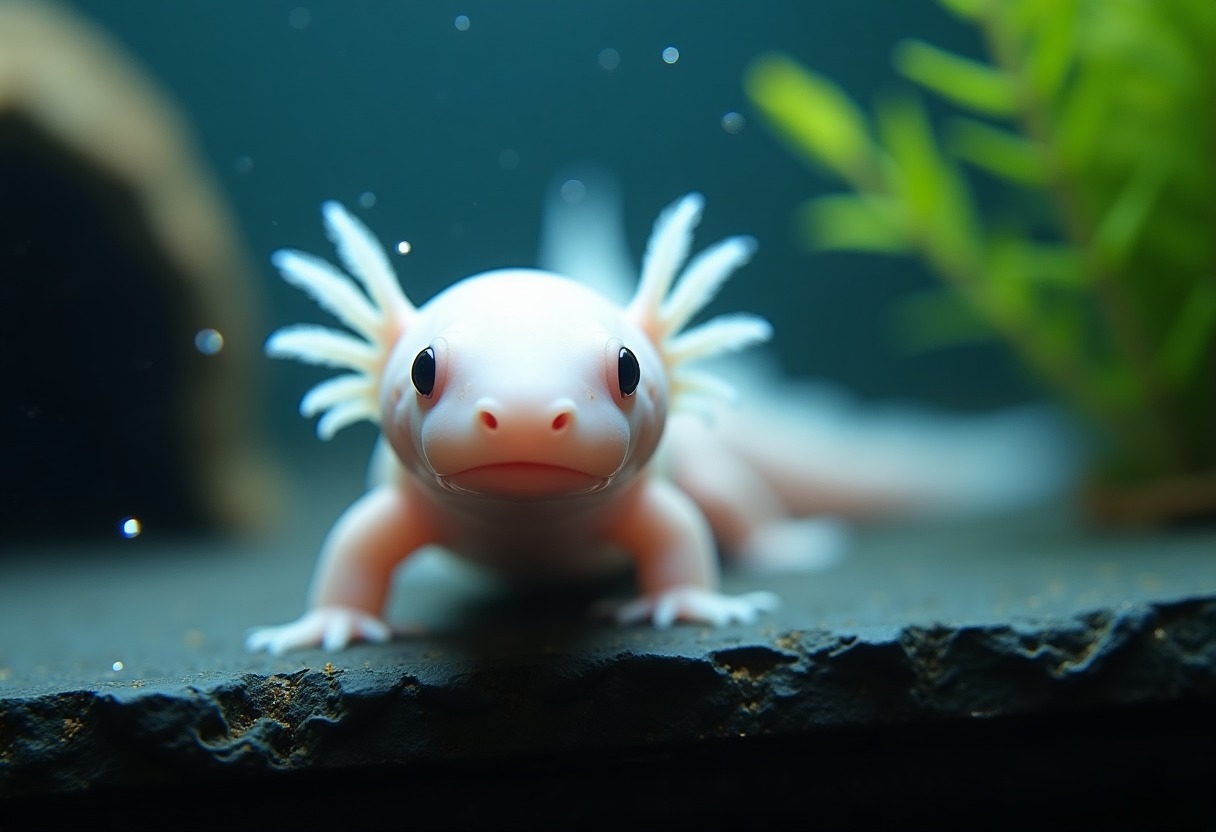
Your axolotl just released a cloud of milky film into the water, and you're wondering if you should panic. That ghostly skin floating around the tank is probably normal shedding—but the line between healthy molting and a water quality crisis isn't always obvious.
Why Axolotls Shed Their Skin
Axolotls shed their outer skin layer (the epidermis) as part of normal growth and maintenance. According to Wikipedia's entry on axolotls, these salamanders continuously regenerate tissue throughout their lives, and regular shedding removes damaged cells, parasites, and algae from their protective slime coat.
The slime coat itself—a mucopolysaccharide layer that covers the entire body—serves multiple functions: it provides a barrier against pathogens, regulates osmotic balance, and protects the permeable skin from ammonia burns. When you see axolotl skin peeling, you're watching the outer layer of this system reset itself.
Healthy adult axolotls typically shed every 7-14 days. Juveniles under six months old may shed every 3-5 days due to rapid growth. The frequency depends on metabolism, water temperature, and stress levels. If your axolotl isn't shedding at least every three weeks, that's more concerning than frequent shedding—it often signals metabolic slowdown from cold water or poor nutrition.
What Normal Axolotl Shedding Looks Like
Normal shedding happens quickly and cleanly. Your axolotl will twist, scratch against surfaces, and sometimes eat the shed skin (perfectly normal—it recycles nutrients). The whole process takes 30 minutes to two hours.
You'll see:
- Translucent white or grayish film coming off in sheets or clouds
- The axolotl rubbing its body against decorations or the tank bottom
- Increased gill fluttering during the shed
- Clear, intact skin underneath once the old layer releases
- The axolotl returning to normal behavior immediately after
The shed skin might float briefly before breaking down or getting pulled into your filter. Some keepers remove it with a → Shop turkey baster for aquarium on Amazon, but it's not necessary—healthy bacteria will process it within 24 hours.
Different morphs show shedding differently. Leucistic and albino axolotls have more visible white film because of their light pigmentation. Darker morphs like wild-type or melanoid axolotls shed just as often, but you might not notice until you see cloudy water or skin fragments. Check out our Axolotl Colors And Morphs guide if you're tracking differences across color variations.
When Axolotl White Film Signals a Problem
Abnormal shedding looks and acts differently than the quick, clean molts described above. These warning signs mean you need to test water immediately:
| Warning Sign | What It Means | Immediate Action | |--------------|---------------|------------------| | Thick, cottage cheese-like white patches that don't shed off | Fungal infection or columnaris bacteria | Test ammonia/nitrite; prepare quarantine tank with → Shop aquarium salt for axolotls on Amazon; reduce feeding | | Continuous shedding every 1-2 days for more than a week | Chemical burn from high ammonia, nitrite, or chlorine exposure | 50% water change immediately; test all parameters; check if you're using → Shop aquarium water conditioner on Amazon | | Shedding accompanied by pale gills, lethargy, or floating | Systemic stress from poor water quality or temperature | Check temperature (should be 60-68°F); review our Axolotl Water Parameters Complete Guide | | Red streaks in skin or gills during/after shedding | Septicemia or ammonia poisoning | Emergency water change; consult our Axolotl Diseases Symptoms Guide; consider vet visit |
Axolotl slime coat damage shows up as excessive, ragged shedding. When water parameters swing or ammonia spikes, the protective mucus layer breaks down and your axolotl tries to regenerate it faster than normal. This creates a cycle: damaged slime coat → more vulnerability to burns → more frequent shedding → more metabolic stress.
If you're seeing cloudy water constantly and your axolotl looks like it's shedding in slow motion over days instead of hours, you're dealing with chronic water quality problems. Run the full test panel: ammonia, nitrite, nitrate, pH, and temperature. Most shedding issues trace back to ammonia creep from overfeeding or inadequate filtration.
Water Quality Tips to Support Healthy Shedding
Keeping axolotl shedding frequency in the normal range means maintaining pristine water conditions. These aren't optional nice-to-haves—they're the baseline that prevents skin problems.
Temperature stability matters more than most keepers realize. Warm water (above 70°F) speeds up metabolism and triggers excessive shedding as the axolotl tries to shed heat. Cold water below 58°F slows shedding to a crawl and can cause skin buildup. Keep your tank between 60-68°F using a reliable chiller or cooling method—our Axolotl Temperature Requirements Chillers guide covers the options worth buying.
Ammonia and nitrite must stay at 0 ppm, always. Even 0.25 ppm ammonia burns the slime coat and triggers emergency shedding. Test weekly during stable periods, daily if you notice any behavior changes. If your tank isn't fully cycled yet, review our Cycling Your Axolotl Tank post—you cannot skip this step.
Nitrate below 20 ppm prevents chronic stress. High nitrate doesn't cause dramatic shedding like ammonia does, but sustained levels above 40 ppm degrade overall health and make the slime coat more fragile. Our Axolotl Nitrate Control post has specific reduction strategies for planted and bare-bottom tanks.
Use a water conditioner that preserves the slime coat. Products containing aloe vera or polymers help protect the mucus layer during water changes. → Shop API stress coat on Amazon specifically adds a synthetic slime coat booster—useful after transport, during acclimation, or when you notice minor skin irritation. Never use conditioners with added color or heavy metal "detoxifiers" that only mask test readings.
Filtration flow affects slime coat integrity. Powerful filters create currents that constantly stress the axolotl and strip protective mucus faster than it regenerates. Your axolotl should be able to rest anywhere in the tank without being pushed around. Check our Best Filters Axolotl Tank 2026 recommendations for gentle, effective options.
Product Recommendations for Managing Shedding Issues
Water testing kit: Get a liquid test kit (not strips) that covers ammonia, nitrite, nitrate, pH, and GH/KH. The API Master Test Kit is the standard for freshwater keepers because it's accurate enough to catch problems before they cause shedding crises. See our Axolotl Water Testing Kits comparison for why liquid tests beat strips every time.
Conditioner with slime coat support: → Shop API stress coat on Amazon or Seachem Prime during water changes. Prime detoxifies ammonia for 48 hours (buying you time during an emergency), while API adds a protective layer. Both work—pick based on whether you need temporary ammonia binding or extra mucus support.
Aquarium salt for treatment: Pure sodium chloride (→ Shop aquarium salt for axolotls on Amazon) at 1-2 tablespoons per 10 gallons helps when fungal infections attack damaged slime coat. Never use iodized table salt or marine salt mixes. Salt baths are temporary treatment only—dissolve salt in dechlorinated water before adding to prevent crystal burns.
Soft handling net: Hard mesh nets scrape slime coat off during transfer. Get a fine mesh net with soft, knotless material or use a container to scoop your axolotl when you need to move it. Our Safe Axolotl Handling Transport Moving Vet Visits guide has the full protocol.
Turkey baster or siphon: → Shop turkey baster for aquarium on Amazon removes shed skin, uneaten food, and waste between water changes. Spot-cleaning prevents ammonia spikes that trigger abnormal shedding. Use it daily if you're feeding messy foods like bloodworms or dealing with a shedding issue.
What Most Guides Miss About Axolotl Shedding
Shedding behavior changes with feeding type and frequency. High-protein diets—especially live foods—increase shedding frequency because faster growth requires more frequent skin turnover. If you recently switched from pellets to earthworms and noticed more shedding, that's expected. Review our Axolotl Protein Sources to understand how diet composition affects metabolism.
Pre-shed behavior varies by individual personality. Some axolotls get visibly antsy hours before shedding—pacing the tank, refusing food, scratching constantly. Others shed with zero warning during their sleep cycle. Track your axolotl's pattern over a month and you'll start predicting sheds, which helps distinguish normal cycles from stress responses.
Shedding frequency spikes after tank maintenance if you disturb beneficial bacteria colonies. After deep substrate cleaning or filter cartridge replacement, expect one or two extra sheds as your axolotl reacts to slight parameter fluctuations. This settles within a week if your cycle stays intact. Our Axolotl Tank Maintenance Schedule shows how to clean without crashing your biofilter.
Seasonal shedding changes happen even in indoor tanks. Axolotls sense photoperiod shifts and temperature fluctuations through building HVAC systems. During spring and fall, when barometric pressure and day length change, you might notice increased shedding even with stable tank conditions. This is physiological preparation for breeding season and generally harmless.
New axolotls shed more frequently for the first month after acclimation as they adjust to your specific water chemistry. The slime coat adapts to local mineral content, pH, and bacterial populations. Expect weekly sheds during this adjustment period. Once they've been in your tank for 6-8 weeks, frequency should stabilize to the normal 1-2 week cycle. See our Acclimate Axolotl To Tank process for minimizing transition stress.
FAQ
How often do axolotls normally shed their skin? Adult axolotls shed every 7-14 days under healthy conditions. Juveniles under six months old shed every 3-5 days due to rapid growth. If your axolotl goes more than three weeks without shedding, check temperature and feeding schedule—metabolic slowdown often causes delayed shedding.
Is it normal for my axolotl to eat its shed skin? Yes, completely normal. Axolotls often consume shed skin to recycle nutrients, particularly protein and minerals. You'll see them grab floating pieces or vacuum them off the bottom. This behavior doesn't indicate nutritional deficiency—it's instinctive waste reduction.
What causes white fuzzy patches that won't shed off? White fuzzy growth that persists beyond normal shedding indicates fungal infection (Saprolegnia) or columnaris bacteria. Both attack compromised slime coat from ammonia exposure, injuries, or chronic stress. Test water immediately and prepare a salt bath treatment while addressing the underlying parameter problem.
Should I remove shed skin from the tank? Not necessary in established tanks with healthy biofilters—bacteria process shed skin within 24 hours. Remove it only if you're dealing with ammonia spikes, have a new/uncycled tank, or notice it accumulating faster than it breaks down. Use a turkey baster for spot removal without disturbing substrate.
Can water changes trigger shedding? Large water changes (over 50%) or poorly temperature-matched water can trigger stress shedding within hours. Match replacement water temperature within 2°F of tank water and always use conditioner. Stick to 20-30% weekly changes for stable slime coat maintenance. Review our water change protocol in the Axolotl Water Parameters Complete Guide.
When to Stop Worrying and Watch Instead
Axolotl shedding behavior becomes second nature once you've watched your animal through a few complete cycles—you'll recognize the pre-shed restlessness, the actual sloughing process, and the clean skin that follows.
Some links on this page are affiliate links. We may earn a small commission if you purchase through them, at no extra cost to you.
As an Amazon Associate we earn from qualifying purchases. This article contains affiliate links; if you buy through them we may earn a small commission at no additional cost to you.