 Axolotl Den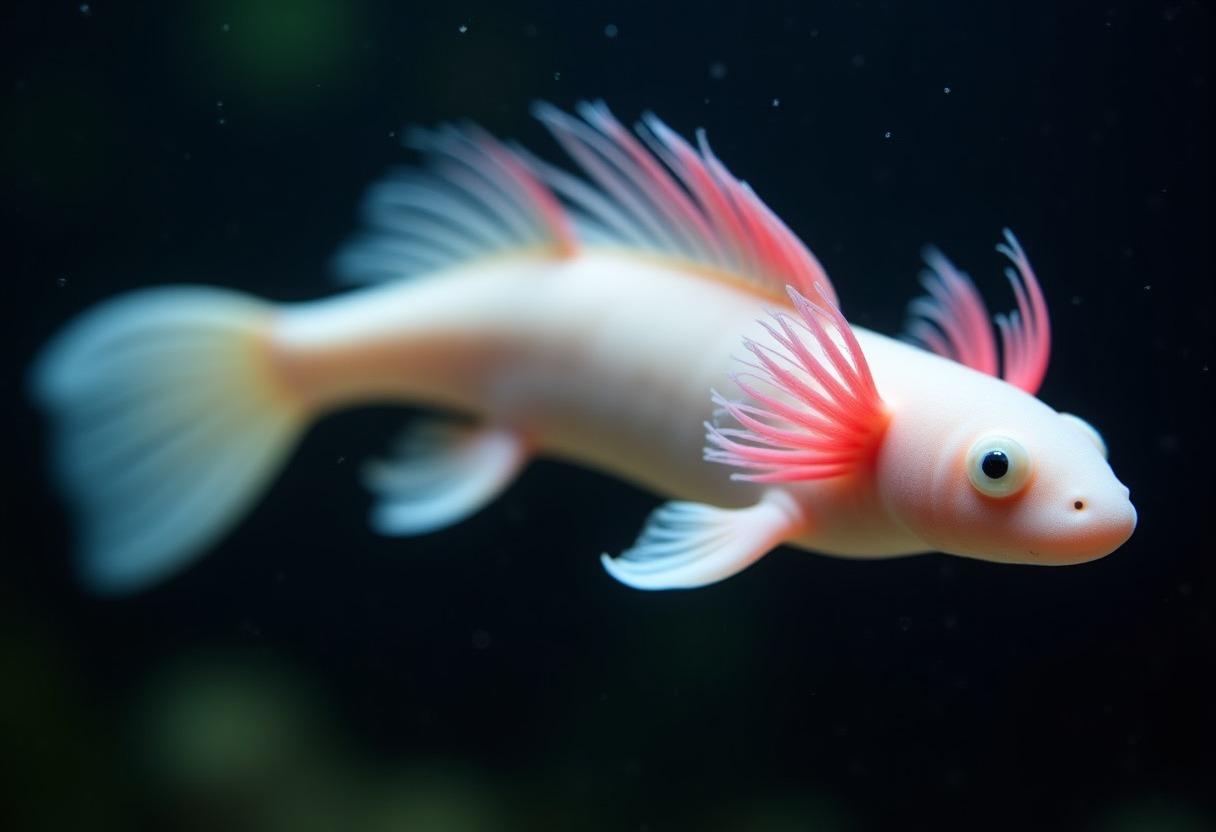
Your axolotl's gills suddenly look white and fuzzy, or they've been sitting motionless at the tank bottom for days — recognizing these early warning signs could save your pet's life. Most axolotl health problems develop gradually, giving attentive keepers precious time to intervene before conditions become life-threatening.
Why Early Detection Matters for Axolotl Health
Axolotls lack the robust immune systems found in many other amphibians, making them particularly vulnerable to bacterial and fungal infections when water quality degrades or stress levels rise. According to Caudata.org, their permeable skin absorbs toxins directly from water, meaning that minor water parameter fluctuations can trigger serious health cascades within 24-48 hours.
Unlike fish that may hide symptoms until critically ill, axolotls display observable behavioral and physical changes early in disease progression. Their external gills, prominent in healthy specimens, serve as immediate indicators of respiratory distress or infection. Changes in feeding behavior, swimming patterns, or gill movement often precede visible physical symptoms by several days.
Professional aquatic veterinarians estimate that 80% of axolotl health issues stem from three primary categories: fungal infections, digestive impaction, and gill-related problems. Each condition presents distinct symptom patterns that experienced keepers learn to recognize quickly.
Fungal Infections: White Death in Your Tank
Fungal infections appear as white, cotton-like growths on skin, gills, or extremities. Saprolegnia and other water molds thrive in tanks with elevated organic waste, temperature fluctuations above 68°F, or pH imbalances. The infection typically starts as small white patches that expand rapidly if untreated.
Early symptoms include reduced appetite, lethargy, and pale gill coloration before visible fungal growth appears. Infected axolotls often remain motionless on the tank bottom or float near the surface, avoiding normal substrate exploration. Advanced cases show extensive white patches covering 30% or more of the body surface.
Treatment requires immediate salt baths using → Shop aquarium salt for axolotls on Amazon. Mix 2-3 teaspoons of non-iodized salt per gallon in a separate container. Submerge your axolotl for 5-10 minutes daily until symptoms clear, typically 5-7 days. Monitor closely — some individuals show salt sensitivity with excessive mucus production.
For severe infections, antifungal medications like methylene blue or malachite green prove more effective than salt alone. → Shop axolotl medication treatment on Amazon for professional-grade treatments. Always treat in a separate quarantine tank to avoid disrupting beneficial bacteria in the main system.
Impaction: When Food Becomes Fatal
Impaction occurs when axolotls consume substrate, food pieces too large for their digestive tract, or excessive amounts of food that create blockages. Sand, small gravel, and decorative stones pose the highest risks, especially for juvenile axolotls under 6 inches in length.
Symptoms develop gradually over 3-5 days. Affected axolotls stop eating entirely, develop swollen abdomens, and may float awkwardly due to trapped air in the digestive system. Some attempt to defecate without success, showing straining behaviors near the substrate. Advanced impaction causes visible abdominal distension and complete loss of appetite.
Treatment depends on severity and blockage location. Mild cases respond to fasting for 7-10 days while maintaining pristine water conditions. The natural digestive process may break down and pass smaller obstructions during this period. Monitor daily for signs of improvement — normal swimming behavior and reduced abdominal swelling indicate progress.
Severe impaction requires more aggressive intervention. Some keepers report success with gentle abdominal massage, but this technique carries risks of internal injury if performed incorrectly. → Shop water test kit strips on Amazon to maintain optimal water parameters during treatment, as stressed axolotls become more susceptible to secondary infections.
Prevention focuses on substrate selection and feeding practices. Bare-bottom tanks eliminate impaction risk entirely, while fine sand allows safe substrate consumption. Remove uneaten food within 6 hours and size prey items appropriately — earthworms should be no longer than the distance between your axolotl's eyes.
Gill Problems: Breathing Difficulties and Warning Signs
Healthy axolotl gills display vibrant red coloration and constant gentle movement. Gill problems manifest as color changes, reduced movement, shortened gill filaments, or complete gill loss in severe cases. Poor water quality, bacterial infections, and high temperatures commonly trigger gill deterioration.
Early symptoms include pale pink or white gill coloration, reduced gill flicking frequency, and increased surface breathing attempts. Affected axolotls position themselves near filters or air stones, seeking higher oxygen levels. Advanced cases show gray or black gill tips, indicating tissue death.
| Condition | Gill Color | Movement | Treatment Priority | |-----------|------------|----------|-------------------| | Healthy | Deep red | Constant flicking | Maintain current care | | Early stress | Pale pink | Reduced frequency | Check water parameters | | Bacterial infection | White/gray patches | Irregular | Salt baths + antibiotics | | Severe damage | Black tips | Minimal/absent | Emergency veterinary care |
Treatment requires immediate water quality correction and temperature reduction. Check ammonia, nitrite, and nitrate levels using → Shop aquarium thermometer digital on Amazon to monitor temperature precisely. Target 60-64°F to reduce metabolic stress and improve oxygen solubility.
Salt baths provide temporary relief for mild bacterial gill infections, but severe cases need antibiotic treatment under veterinary guidance. → Shop aquatic veterinary care on Amazon for appropriate medications. Never use human antibiotics, as dosages and formulations differ significantly.
Gill regeneration takes 4-8 weeks under optimal conditions. Young axolotls recover more completely than adults, sometimes achieving full gill restoration. Maintain stable conditions and avoid handling during recovery periods to maximize regeneration potential.
Essential Products for Axolotl Health Management
Quality diagnostic tools prevent guesswork during health crises. Digital thermometers with probe sensors provide accurate temperature readings crucial for treatment protocols. Test kits measuring ammonia, nitrite, nitrate, and pH help identify environmental triggers before they cause health problems.
Aquarium salt serves dual purposes as both preventive measure and treatment option. Choose marine salt or aquarium-specific formulations without additives. Table salt contains anti-caking agents harmful to axolotls. Store salt in moisture-proof containers and pre-mix treatment solutions in dechlorinated water.
Quarantine tanks enable safe treatment without disrupting established biological filtration in main tanks. A simple 10-gallon setup with basic filtration and heating suffices for most treatments. Keep quarantine systems established and cycled, ready for immediate use during health emergencies.
Advanced Prevention Strategies Most Keepers Miss
Temperature consistency matters more than absolute temperature for preventing stress-related illnesses. Daily fluctuations exceeding 2-3°F weaken immune responses and create opportunities for opportunistic infections. Invest in reliable cooling systems and backup power supplies for critical equipment.
As discussed in our Axolotl Temperature Requirements Chillers guide, consistent cooling prevents most health problems before they start.
Feeding schedules impact digestive health significantly. Overfeeding stresses filtration systems and creates waste buildup that fuels bacterial growth. Adult axolotls thrive on every-other-day feeding schedules, while juveniles need daily meals. Monitor individual appetite patterns and adjust portions accordingly.
Our Best Axolotl Food Feeding Guide covers optimal nutrition strategies for different life stages.
Substrate choice affects long-term health outcomes beyond immediate impaction risks. Fine sand allows natural foraging behaviors while minimizing blockage risks. Bare-bottom tanks simplify maintenance but may increase stress levels in some individuals. Avoid mixed substrate sizes that create impaction traps.
Routine health monitoring prevents most emergency situations. Weekly gill examinations, appetite tracking, and behavior documentation help establish individual baseline patterns. Photograph your axolotl monthly to track physical changes over time — subtle condition deterioration becomes obvious when comparing images.
FAQ
What are the first signs my axolotl might be sick? The earliest indicators include reduced appetite, changes in normal swimming patterns, and altered gill movement or coloration. Healthy axolotls maintain consistent feeding responses and active exploration behaviors throughout their tank. Any deviation from established patterns warrants closer observation and water parameter testing. Many keepers miss these subtle changes because they develop gradually over several days rather than appearing suddenly.
How quickly can axolotl fungal infections spread? Fungal infections can double in coverage area every 24-48 hours under poor conditions, making early intervention critical for successful treatment outcomes. The progression speed depends on water temperature, immune system strength, and overall tank conditions. Infections spreading to gills or major body areas become life-threatening within 5-7 days without treatment. Starting salt baths or antifungal treatments within the first 48 hours significantly improves recovery chances and reduces treatment duration.
Can axolotls recover completely from severe gill damage? Young axolotls under 12 months can achieve remarkable gill regeneration, sometimes restoring 90% of original gill structure within 6-8 weeks of proper treatment. Adult specimens typically recover 60-70% of gill function, which proves sufficient for normal activity levels and lifespan. Complete gill loss rarely occurs with prompt treatment, but recovery requires maintaining optimal water conditions throughout the regeneration period. Temperature stability between 60-64°F and pristine water quality maximize regeneration potential for all age groups.
How long should I fast an axolotl with suspected impaction? Fasting periods of 7-10 days allow minor impactions to clear naturally while preventing additional digestive stress from new food intake. Monitor for improved swimming behavior, reduced abdominal swelling, and successful defecation as positive recovery indicators. Extend fasting up to 14 days for stubborn cases, but maintain perfect water quality to prevent secondary infections during this vulnerable period. Resume feeding with smaller portions initially, gradually returning to normal meal sizes over several days.
When should I contact a veterinarian for axolotl health problems? Contact aquatic veterinarians immediately for gill damage covering more than 25% of gill surface area, fungal infections spreading despite 48 hours of treatment, or complete feeding refusal lasting more than 5 days. Signs requiring emergency care include floating inability, severe color changes affecting the entire body, or visible wounds that don't improve with basic first aid. Many general veterinarians lack axolotl experience, so research aquatic specialists in advance and establish relationships before emergencies occur.
The difference between a minor health hiccup and a devastating loss often comes down to recognizing symptoms early and responding with appropriate, immediate care.
Some links on this page are affiliate links. We may earn a small commission if you purchase through them, at no extra cost to you.
As an Amazon Associate we earn from qualifying purchases. This article contains affiliate links; if you buy through them we may earn a small commission at no additional cost to you.