 Axolotl Den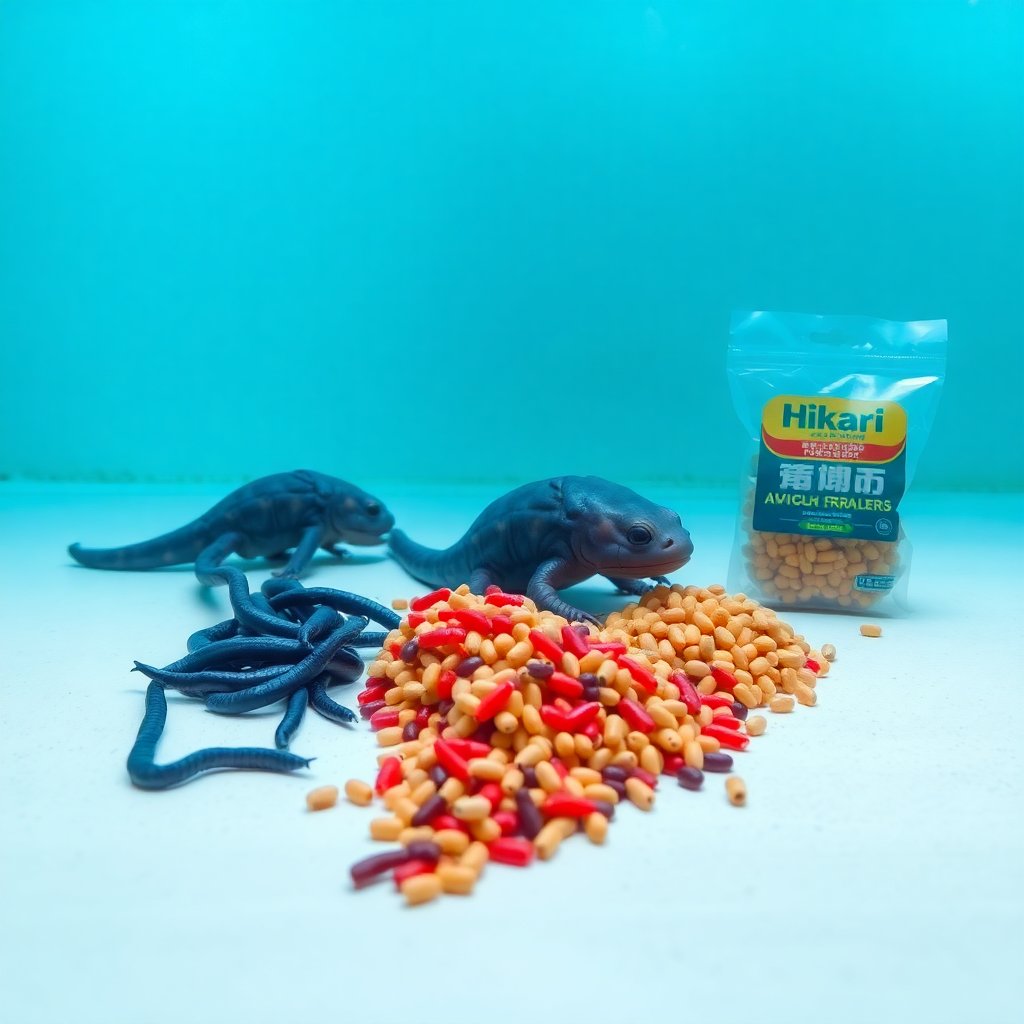
Axolotls are obligate carnivores. They need protein-rich live or frozen foods, and their digestive systems aren't designed for plant-based fillers. Getting the diet right is one of the most important parts of axolotl care — and it's where most new owners make mistakes that affect their animal's long-term health.
This guide covers the best axolotl foods available in 2026, feeding schedules by age, what to avoid, and the most common feeding mistakes.
The Core Diet
Axolotls in the wild eat worms, small fish, crustaceans, and aquatic insects. In captivity, the goal is to replicate that protein variety while using foods that are easy to source, safe, and nutritionally complete.
Earthworms are the closest thing to a complete axolotl diet in a single food. Nightcrawlers and red wigglers are nutritionally dense, high in protein, contain a natural enzyme balance, and most axolotls go wild for them. Experienced keepers use earthworms as the backbone of their axolotl's diet.
Frozen bloodworms make an excellent supplement but shouldn't be the sole food — they're high in protein but nutritionally incomplete as a primary diet. Use them for variety and to entice picky eaters.
Axolotl pellets provide a balanced commercial diet that's convenient and formulated for carnivorous aquatic animals. Hikari brand sinking pellets are the most trusted in the hobby.
Best Axolotl Foods (Ranked)
1. Nightcrawlers / Earthworms — Best Staple Food
Nightcrawlers (large earthworms sold as fishing bait) are the gold standard axolotl food. Nutritionally complete, high in protein, readily available year-round at bait shops and online, and universally accepted by axolotls of all ages and sizes.
A healthy adult axolotl should have 1–3 nightcrawlers 3–4 times per week. Cut them into pieces roughly the width of your axolotl's head or slightly smaller — this is the right bite size for safe swallowing.
→ Shop nightcrawlers and earthworms on Amazon
Keeping them alive: Nightcrawlers can be kept in their original container of moist bedding in the refrigerator for 2–4 weeks. They stay calm in cold temperatures. Rinse them briefly in cool water before feeding to remove surface debris.
Red wigglers (Eisenia fetida): A smaller earthworm species, good for juvenile axolotls and as an adult supplement. They contain slightly higher moisture content than nightcrawlers and are perfect cut into small pieces. Note that red wigglers secrete a mild toxin when stressed — rinse before feeding and remove any that aren't eaten promptly.
2. Hikari Sinking Carnivore Pellets — Best Commercial Food
Hikari's sinking carnivore pellets are the most recommended commercial food in the axolotl community, consistently recommended for 10+ years. They sink to the bottom (axolotls are benthic feeders), are nutritionally balanced for carnivorous aquatic animals, and most axolotls accept them readily once trained.
→ Shop Hikari sinking carnivore pellets on Amazon
Training to pellets: Some axolotls accept pellets immediately; others need introduction via target feeding (place a pellet near the axolotl's face using feeding tongs). Once they accept one pellet, they'll usually take them consistently.
Pellets are convenient for travel, vacations, and automatic feeders. They shouldn't be the only food source, but as part of a varied diet they're excellent.
3. Frozen Bloodworms — Best Supplement
Frozen bloodworms are relished by virtually every axolotl and are excellent for getting juveniles eating or coaxing picky individuals back to feeding. The frozen cube form retains more nutritional value than freeze-dried and is safer than live bloodworms (which can carry parasites).
→ Shop frozen bloodworms aquarium food on Amazon
How to feed: Thaw a small amount in a cup of tank water for 5 minutes before offering. Use a turkey baster or feeding tongs to deliver directly to your axolotl, or drop into the tank. Remove any uneaten bloodworms promptly — they decompose quickly.
Frequency: 1–2 times per week as a supplement, not a primary diet. Overfeeding bloodworms as the main food leads to nutritional deficiencies over time.
4. Frozen Brine Shrimp — Best for Juveniles
Frozen brine shrimp are ideal for juvenile axolotls (under 3 inches) who can't yet handle nightcrawler pieces. They're small, easy to swallow whole, and nutritious enough for the rapid growth phase. As juveniles grow, transition to small earthworm pieces as the primary food.
→ Shop frozen brine shrimp for aquarium fish on Amazon
5. Daphnia — Best for Enrichment and Digestive Health
Daphnia is a tiny aquatic crustacean that axolotls enjoy hunting. Live daphnia provides behavioral enrichment — axolotls are natural hunters and tracking live food stimulates natural behaviors that improve their mental health and activity levels.
Daphnia is also believed to have mild laxative properties, making it useful for axolotls that appear constipated or have been refusing food due to digestive sluggishness.
→ Shop daphnia live culture or frozen on Amazon
6. Frozen Mysis Shrimp — Good Adult Variety
Mysis shrimp are larger than brine shrimp and more nutritionally complete. They're a good rotational food for adult axolotls — provides variety, good protein content, and most axolotls readily accept them. Available frozen in cubes from most aquarium supply stores.
Feeding Schedule by Age
| Age / Size | Best Foods | Frequency | Amount | |---|---|---|---| | Under 3 inches (juvenile) | Frozen brine shrimp, tiny daphnia, small worm pieces | 2× daily | 5–10 brine shrimp or very small worm piece | | 3–6 inches (growing juvenile) | Small earthworm pieces, frozen bloodworms, small pellets | Once daily | 2–3 small worm pieces or 5–7 bloodworm portions | | 6–9 inches (sub-adult) | Nightcrawler pieces, bloodworms, pellets | Once daily | 2–4 nightcrawler pieces or 3–4 pellets | | 9+ inches (adult) | Full nightcrawlers, pellets, varied frozen foods | Every 2–3 days | 2–3 nightcrawlers or 4–5 pellets per feeding |
Key rule: Adults should look slightly rounded but never visibly swollen or bloated. Juveniles should be fed to near-satiety to support growth.
Common Feeding Mistakes
Overfeeding adults. Adult axolotls are prone to obesity and fatty liver disease if fed daily. Every 2–3 days is appropriate — they're not mammals with fast metabolisms. An overweight axolotl looks visibly round and soft, with a very convex belly profile.
Leaving uneaten food in the tank. Axolotls are messy eaters who frequently miss food that settles on the substrate. Any uneaten food left for more than 30–60 minutes begins decomposing and spikes ammonia levels. Remove uneaten food after every feeding using a turkey baster or net.
Using feeder fish. Goldfish, guppies, and rosy red minnows as feeder fish are a common suggestion in older care guides. They carry parasites and can introduce ich, anchor worms, and other diseases to your tank. Avoid them entirely. If you want live prey enrichment, use daphnia or blackworms from a clean source.
Freeze-dried instead of frozen. Freeze-dried bloodworms are widely available but inferior to frozen. They can expand significantly in the stomach after ingestion, causing digestive discomfort or impaction. Always choose frozen foods over freeze-dried.
Not varying the diet. An axolotl fed only pellets or only bloodworms for months will develop nutritional gaps. Rotate between 2–3 food types weekly — earthworms as the staple, supplemented with frozen bloodworms and pellets provides a good rotation.
Feeding too large pieces. Food pieces larger than the width of your axolotl's head are difficult to swallow and can cause choking or regurgitation. Cut nightcrawlers to appropriate size.
Tools for Feeding
A few accessories that make axolotl feeding significantly easier:
Feeding tongs/tweezers — allow you to wiggle food in front of your axolotl to trigger the feeding response, especially useful for nightcrawlers. Also lets you hold food steady so your axolotl can grab it confidently.
→ Shop aquarium feeding tongs on Amazon
Turkey baster — the most useful tool for removing uneaten food from the tank bottom after feeding. Essential for maintaining water quality.
Feeding dish/plate — a small ceramic or slate tile placed in the tank where you always feed helps your axolotl learn where food appears, reduces substrate contamination, and makes cleanup easier.
FAQ
What do I do if my axolotl won't eat? First, test your water parameters — poor water quality is the most common cause of food refusal. Then check temperature (should be 60–68°F). If both are fine, try a different food or feeding tongs. See our dedicated axolotl stopped eating guide for the complete troubleshooting process.
Can I give my axolotl vegetables? No. Axolotls are obligate carnivores. Their digestive systems aren't designed to process plant material, and offering vegetables provides no nutritional benefit and may cause digestive issues.
My axolotl spit out the food — what's wrong? Axolotls often pick up food and spit it out when: it's too large, it's moving too fast (current pushing it), the water is too warm (hot food aversion), or they're full. If they consistently reject a specific food, try a different type or reduce piece size.
How do I know if my axolotl is getting enough food? A healthy-weight adult looks slightly rounded but not bloated. Their body should taper smoothly from head to tail without a pronounced belly sag. Juveniles should be growing visibly — measure length monthly to confirm healthy growth rates (roughly 1 inch per month in good conditions for young animals).
What's the best way to store nightcrawlers? Keep them in their original container or a ventilated tub with moist (not wet) bedding in the refrigerator. They remain alive and calm at 38–45°F. Change the bedding if it looks contaminated. They'll keep for 2–4 weeks with minimal maintenance.
As an Amazon Associate we earn from qualifying purchases. This article contains affiliate links; if you buy through them we may earn a small commission at no additional cost to you.