 Axolotl Den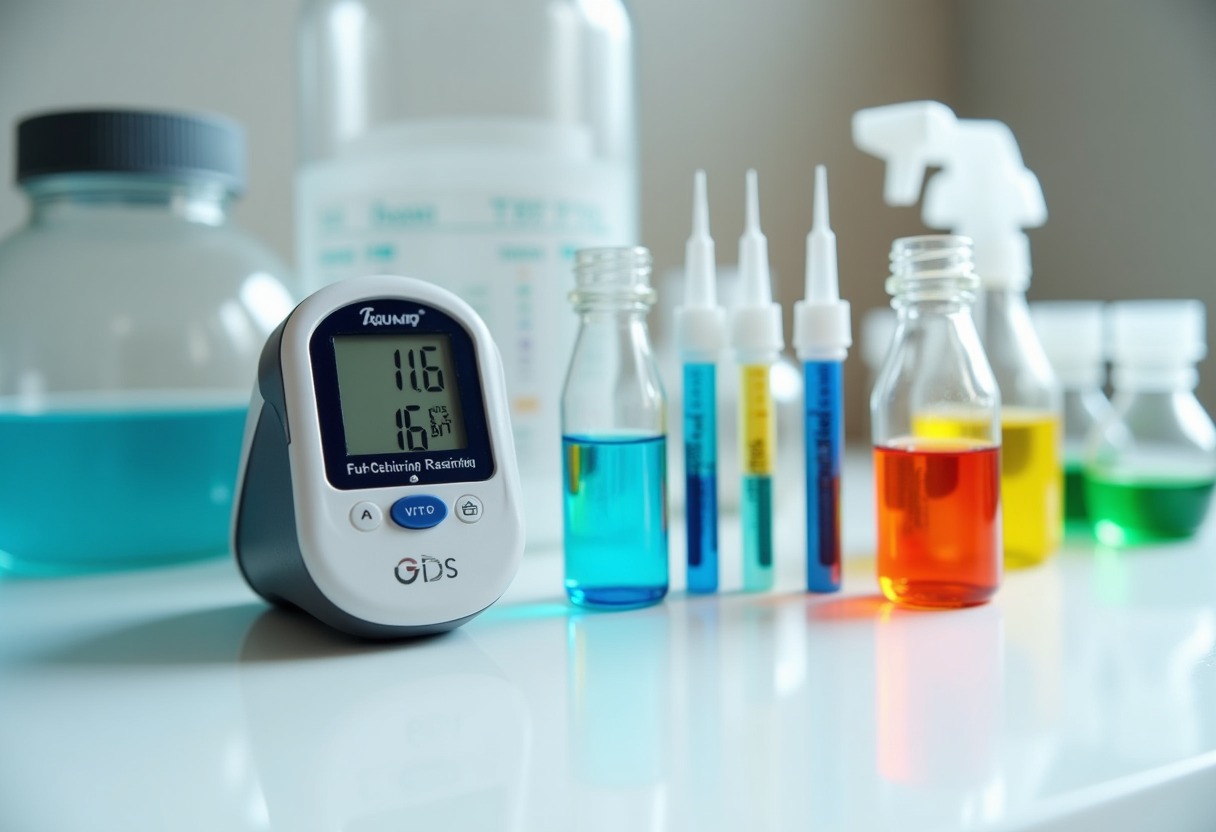
Your axolotl depends on perfect water chemistry to survive, and guessing isn't an option when ammonia spikes or pH swings can kill within hours. The difference between a healthy axolotl and one heading for Axolotl Diseases Symptoms Guide often comes down to having the right water testing equipment and using it consistently.
Why Water Testing Equipment Matters for Axolotl Health
Axolotls breathe through their skin and gills, making them exponentially more sensitive to water quality changes than fish. According to research on amphibian physiology, these salamanders absorb dissolved substances directly through their permeable skin, meaning even small fluctuations in ammonia, nitrites, or pH can cause immediate stress or death.
The nitrogen cycle in axolotl tanks operates differently than typical fish tanks. Axolotls produce substantial waste through both excretion and their messy eating habits, creating rapid spikes in ammonia levels. Without proper monitoring equipment, you might miss the early warning signs of cycling problems that lead to emergency water changes and stressed animals.
Professional axolotl breeders test water parameters daily during cycling and at least three times weekly for established tanks. This frequency requires reliable, accurate testing tools that won't break your budget or give false readings when your axolotl's life depends on the results.
Essential Water Testing Equipment Every Axolotl Keeper Needs
The core testing equipment for axolotl tanks covers five critical parameters: ammonia, nitrites, nitrates, pH, and temperature. Each parameter requires different testing methods with varying levels of accuracy and convenience.
Liquid test kits provide the most accurate readings for nitrogen compounds. → Shop ammonia test kit on Amazon Test strips offer convenience but sacrifice precision, particularly for ammonia levels where accuracy matters most. Digital meters work best for pH and temperature monitoring, giving instant readings without color matching guesswork.
Ammonia testing requires the highest precision since even 0.25 ppm can stress axolotls. Liquid reagent kits read down to 0.25 ppm increments, while quality test strips often miss readings below 0.5 ppm. During tank cycling or after feeding, ammonia can spike rapidly, making frequent testing with accurate equipment essential.
Nitrite and nitrate testing helps monitor your biological filtration efficiency. Nitrites should always read zero in established tanks, while nitrates should stay below 20 ppm. → Shop nitrite nitrate test on Amazon Both compounds accumulate differently in axolotl tanks due to their high bioload, requiring regular monitoring to prevent sudden spikes.
pH monitoring needs daily attention since axolotls prefer stable pH between 6.5-7.5. Digital pH meters provide instant readings and eliminate color interpretation errors that plague liquid pH tests. Temperature affects pH readings, so quality meters include automatic temperature compensation for accuracy.
Comparison of Testing Methods and Equipment Types
| Testing Method | Accuracy Level | Cost Per Test | Best For | Drawbacks | |----------------|---------------|---------------|-----------|-----------| | Liquid Test Kits | Very High (±0.25 ppm) | $0.15-0.25 | Ammonia, Nitrites, Daily Testing | Takes 5+ minutes, color matching required | | Digital Meters | Excellent (±0.01 pH) | $0.05-0.10 | pH, TDS, Temperature | Higher upfront cost, needs calibration | | Test Strips | Moderate (±0.5 ppm) | $0.50-0.75 | Quick checks, Multiple parameters | Less accurate, expensive per test | | Photometer Systems | Laboratory Grade | $1.00+ | Professional breeding, Research | Very expensive, overkill for most keepers |
The cost analysis shows liquid test kits provide the best value for critical parameters like ammonia and nitrites. While digital meters have higher upfront costs, they pay for themselves within 3-4 months of regular testing through lower per-test expenses and superior accuracy.
Most successful axolotl keepers use a combination approach: liquid test kits for nitrogen compounds and digital meters for pH and temperature. This hybrid method balances accuracy, cost, and testing speed for different scenarios.
Recommended Water Testing Products for Axolotl Tanks
API Master Test Kit remains the gold standard for nitrogen compound testing in axolotl tanks. The kit includes separate tests for ammonia, nitrites, nitrates, and pH with enough reagents for approximately 800 individual tests. The ammonia test reads accurately down to 0.25 ppm, crucial for detecting dangerous spikes before they harm your axolotl.
Seachem Ammonia Alert provides continuous ammonia monitoring through a sensor card that changes color as ammonia levels rise. While not as precise as liquid tests, it offers 24/7 monitoring that catches sudden spikes between regular testing sessions. The cards last 1-2 years and work particularly well during Cycling Your Axolotl Tank.
Digital pH meters like the Apera PH20 offer laboratory-grade accuracy with automatic temperature compensation. → Shop digital pH meter on Amazon These meters eliminate color-matching errors and provide instant readings, essential when adjusting water parameters or troubleshooting sudden pH swings that stress axolotls.
TDS (Total Dissolved Solids) meters help monitor overall water quality and detect changes in mineral content that affect axolotl health. → Shop TDS meter aquarium on Amazon Professional keepers use TDS readings to track when water changes are needed and ensure consistent water chemistry between changes.
Multi-parameter test strips work best as backup testing or for quick parameter checks when you notice behavioral changes in your axolotl. → Shop aquarium test strips on Amazon While less accurate than individual tests, quality strips can detect major parameter swings that require immediate attention.
Advanced Testing Strategies Most Keepers Miss
Baseline establishment involves testing your tap water and aged water separately to understand how your local water supply affects tank chemistry. Many municipalities add chloramines that break down into ammonia over time, causing mysterious spikes weeks after water changes. Test both fresh tap water and water aged 24-48 hours to identify these hidden ammonia sources.
Feeding day protocols require modified testing schedules since axolotl feeding dramatically increases waste production. Test ammonia levels 2-4 hours after feeding to catch early spikes before they become dangerous. Many keepers only test before feeding, missing the critical post-feeding window when problems develop.
Seasonal testing adjustments account for temperature fluctuations that affect both pH and beneficial bacteria activity. Summer heat stress can slow beneficial bacteria, leading to ammonia spikes despite normal feeding and maintenance routines. Winter temperature drops can similarly affect biological filtration efficiency.
Backup testing methods prevent dangerous gaps in monitoring when primary test kits run out unexpectedly. Keep basic test strips or a second ammonia test kit available for emergencies. Running out of ammonia tests during a tank cycle or disease treatment can force risky decisions about water changes and medications.
Record keeping systems help identify patterns in water chemistry that predict problems before they become critical. Track testing results, feeding schedules, and maintenance activities to spot correlations between activities and parameter changes. Many experienced keepers use smartphone apps or simple spreadsheets to maintain testing logs.
FAQ
How often should I test water in my axolotl tank? Test ammonia and nitrites daily during tank cycling, then reduce to every 2-3 days once the tank is established. pH should be tested daily for the first month, then weekly thereafter. During Axolotl Tank Mistakes Stress Health situations like illness, feeding problems, or equipment failures, return to daily testing until parameters stabilize. Temperature monitoring should be continuous through digital thermometers since axolotls are extremely temperature-sensitive.
Are test strips accurate enough for axolotl tanks? Test strips provide insufficient accuracy for ammonia testing, which is the most critical parameter for axolotl health. Quality strips can detect ammonia levels around 0.5 ppm, but axolotls can suffer stress at 0.25 ppm levels that strips miss entirely. Test strips work adequately for nitrate monitoring and emergency pH checks, but liquid test kits or digital meters are essential for reliable ammonia and nitrite readings. Professional breeders and experienced keepers rely on liquid tests for all critical parameters.
What water parameters indicate my axolotl tank is healthy? Healthy axolotl tanks maintain ammonia and nitrites at 0 ppm, nitrates below 20 ppm, pH between 6.5-7.5, and temperature between 60-64°F. TDS levels should stay between 300-500 ppm for optimal health, while dissolved oxygen should exceed 6 ppm. Any deviation from these ranges, particularly in ammonia or temperature, requires immediate attention and possible water changes. Stable parameters matter more than perfect numbers – sudden changes stress axolotls more than slight variations from ideal ranges.
Can I use aquarium store water testing services instead of home testing? Aquarium store testing cannot replace home testing for axolotl keepers due to the time-sensitive nature of water quality problems. Ammonia spikes can occur within hours of feeding or equipment failure, making weekly store visits inadequate for early problem detection. Store testing works well for baseline establishment or confirming unusual home test results, but daily parameter monitoring requires home testing equipment. Additionally, sample degradation during transport to stores can affect accuracy of nitrogen compound tests.
How do I know when my test kits are expired or giving wrong readings? Expired reagents typically produce weak color changes or fail to react entirely during testing procedures. Liquid test reagents last 2-3 years when stored properly, while test strips expire within 6-12 months and become unreliable quickly after opening. Cross-check suspicious readings with a second testing method or fresh test kit if your axolotl shows stress symptoms despite normal test results. Digital meters require monthly calibration with standard solutions to maintain accuracy, and sudden erratic readings usually indicate calibration needs or probe replacement.
The foundation of successful axolotl keeping rests on consistent, accurate water testing that catches problems before they threaten your pet's health.
Some links on this page are affiliate links. We may earn a small commission if you purchase through them, at no extra cost to you.
As an Amazon Associate we earn from qualifying purchases. This article contains affiliate links; if you buy through them we may earn a small commission at no additional cost to you.