 Axolotl Den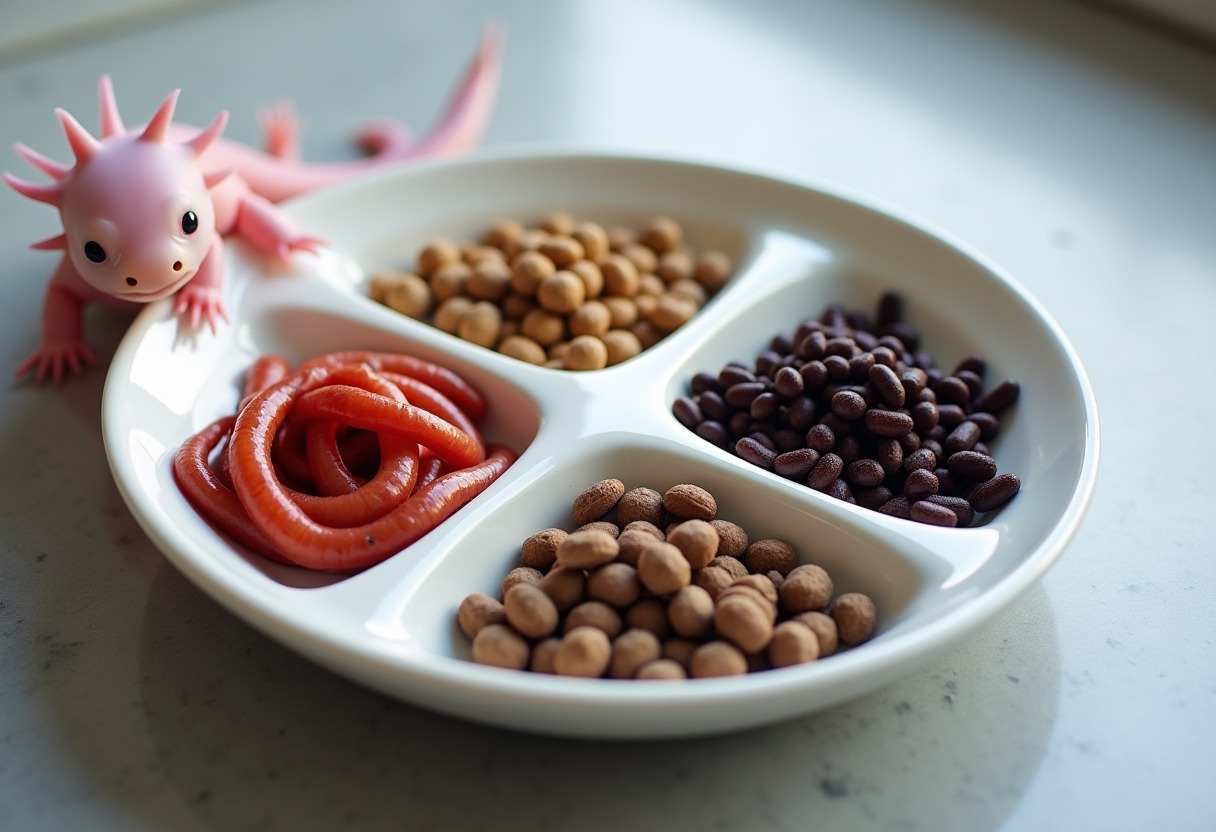
Your axolotl needs 50-60% protein in their diet to maintain healthy growth, regeneration, and organ function. Most keepers settle into one primary protein source without knowing how much nutrition they're actually providing—or how much easier their feeding routine could be with the right combination.
Why Protein Quality Matters More Than Quantity
Axolotls are carnivorous amphibians that, in their natural habitat of Lake Xochimilco, consume small fish, insects, crustaceans, and worms. Their digestive systems evolved to extract nutrients from whole prey items, not processed foods. The protein source you choose directly affects growth rate, coloration intensity, and regenerative capacity.
Protein percentage tells only part of the story. Bioavailability—how much of that protein your axolotl can actually digest and use—varies significantly between earthworms, bloodworms, pellets, and other live foods. A pellet claiming 55% protein might deliver less usable nutrition than an earthworm with 60% protein because of differences in amino acid profiles and digestibility.
Juvenile axolotls (under 6 inches) need daily feeding with high-protein sources to support rapid growth. Adults (6+ inches) do well on feeding schedules of every 2-3 days, but the protein source still determines whether they maintain muscle mass and vibrant coloring. This becomes especially critical during breeding season, when protein demands spike for both males producing spermatophores and females developing eggs—see our Axolotl Breeding Tank Setup guide for reproductive nutrition details.
Earthworms: The Gold Standard
Nightcrawlers and red wigglers provide 60-70% protein by dry weight, making them the most nutritionally complete single food source. Canadian nightcrawlers (Lumbricus terrestris) are larger and better for adult axolotls 8+ inches, while red wigglers (Eisenia fetida) work perfectly for juveniles and smaller adults.
The calcium-to-phosphorus ratio in earthworms sits at approximately 1.5:1, matching axolotl requirements better than any processed food. This matters for bone density and preventing metabolic bone issues, especially in rapidly growing juveniles.
Fresh earthworms move in the tank, triggering natural hunting behaviors that keep axolotls mentally stimulated. Adult axolotls will stalk and snap at moving worms with more enthusiasm than they show for pellets or frozen foods. This movement also means less tank pollution—your axolotl won't ignore a worm the way they might overlook a sinking pellet.
The downside? Preparation time. Earthworms need rinsing before feeding to remove soil, grit, and potential pesticides. You'll spend 2-3 minutes per feeding cutting worms into appropriate sizes (juveniles need 1-inch pieces, adults can handle whole nightcrawlers). Many keepers maintain a → Shop red wigglers composting worms on Amazon bin at home, which eliminates sourcing issues but adds a maintenance task.
Storage is straightforward: keep earthworms in a ventilated container with moist (not wet) bedding at 40-50°F. A small refrigerator dedicated to axolotl food prevents family complaints about worms next to the milk.
Bloodworms: Convenience with Caveats
Freeze-dried and frozen bloodworms (midge fly larvae) deliver 50-55% protein and store for months. The convenience factor makes bloodworms popular with new keepers—no cutting, minimal prep, and your non-keeper roommates won't object to them in the freezer.
Bloodworms work best as supplementary protein, not primary diet. They lack the calcium content and complete amino acid profile that earthworms provide. Adult axolotls fed exclusively on bloodworms often show slower growth and duller coloration compared to earthworm-fed individuals.
Freeze-dried bloodworms require rehydration before feeding. Dry bloodworms can cause digestive blockages and bloat, especially in juveniles. Soak them in tank water for 2-3 minutes until fully plump. Frozen bloodworms need only thawing—drop them directly in the tank or hand-feed with tweezers.
One cube of frozen bloodworms (approximately 1 ounce) feeds one adult axolotl for one meal. Juveniles need about half that volume. → Shop freeze dried bloodworms on Amazon for the most shelf-stable option, though frozen versions retain more nutritional value.
The cost adds up quickly for keepers with multiple axolotls. A month's supply of frozen bloodworms for one adult runs $20-30, while the same investment in earthworms or a self-sustaining worm bin provides more meals.
Pellets: Complete Nutrition in Controlled Portions
High-quality axolotl pellets contain 45-55% protein from fish meal, krill, and other marine sources. The best formulations include added vitamins A, D3, E, and calcium to create nutritionally complete meals. Pellets solve the protein problem for keepers who can't stomach handling live food or lack space for worm bins.
Not all pellets are created equal. Many fish pellets marketed for carnivorous fish contain too much filler and plant protein that axolotls digest poorly. Look for pellets specifically formulated for carnivorous amphibians or salamanders. The ingredient list should start with fish meal or krill meal, not wheat or soy.
Pellet size matters more than most keepers realize. Juveniles need 2-3mm pellets they can swallow easily. Adults handle 5-7mm pellets without issue. Oversized pellets can cause choking or get spat out repeatedly, creating water quality problems as they dissolve.
The sinking rate affects whether your axolotl will eat them. Fast-sinking pellets work for alert, healthy axolotls. Slow-sinking or floating pellets frustrate bottom-feeders like axolotls and often go uneaten. → Shop axolotl pellets on Amazon and filter for "sinking" in the product descriptions.
Portion control becomes easier with pellets. Feed juveniles 2-3 pellets per inch of body length daily. Adults need 5-7 pellets per inch of body length every 2-3 days. Track what they actually consume—uneaten pellets mean you're overfeeding or the pellets aren't appealing.
Our Axolotl Feeding Guide covers portion sizes across different protein sources, but pellets make measuring portions more consistent than cutting worms or thawing bloodworm cubes.
Live Food Alternatives: Blackworms, Brine Shrimp, and Feeder Fish
Blackworms (Lumbriculus variegatus) provide 60% protein and exceptional nutritional value. Unlike earthworms, blackworms are fully aquatic and survive in your axolotl tank for days, letting your axolotl hunt at their own pace. They work particularly well for picky eaters or axolotls recovering from illness—the movement triggers feeding responses even in lethargic animals.
→ Shop live blackworms on Amazon for overnight delivery. They require cold storage (35-45°F) and daily water changes in their container. Most keepers portion out a week's supply at a time, rinsing them daily to prevent die-off.
Brine shrimp deliver only 40-45% protein and lack essential fatty acids. They work for occasional variety or enrichment but shouldn't form more than 10% of total diet. Young axolotls under 3 inches will chase brine shrimp, providing hunting practice, but the nutritional payoff is minimal.
Feeder fish are controversial and potentially dangerous. Goldfish and minnows carry thiaminase, an enzyme that breaks down vitamin B1 and causes neurological problems with regular feeding. They also introduce disease risk that no amount of protein justifies. Skip them entirely.
Protein Source Comparison: What Actually Matters
| Food Source | Protein Content | Cost per Month (1 Adult) | Prep Time per Feeding | Storage Requirements | Nutritional Completeness | |-------------|----------------|-------------------------|----------------------|---------------------|-------------------------| | Earthworms (nightcrawlers) | 60-70% | $8-12 | 3-5 minutes (cutting, rinsing) | Refrigerated, ventilated container | Excellent - complete amino acids, ideal Ca:P ratio | | Bloodworms (frozen) | 50-55% | $20-30 | 1-2 minutes (thawing) | Freezer | Good - lacks calcium, needs supplementation | | Pellets (quality) | 45-55% | $10-15 | 30 seconds | Room temperature, sealed container | Very good - if properly formulated | | Blackworms (live) | 60% | $25-35 | 2-3 minutes (rinsing, portioning) | Refrigerated with daily water changes | Excellent - similar to earthworms |
The numbers tell a clear story: earthworms deliver the best nutrition-to-cost ratio for most keepers. A self-sustaining worm bin drops monthly costs below $5 after the initial setup. → Shop earthworm farm kit on Amazon for bin systems designed specifically for red wigglers.
Keepers who travel frequently or lack refrigerator space do better with quality pellets as their primary protein source, supplemented with frozen bloodworms or live blackworms twice weekly. This combination maintains nutritional variety while keeping prep time under 5 minutes per feeding.
Juveniles grow fastest on daily earthworms or blackworms. The difference becomes visible within weeks—earthworm-fed juveniles consistently add 1-2 inches per month during their first six months, while pellet-fed juveniles average 0.75-1.25 inches monthly. Both growth rates fall within healthy ranges, but keepers wanting to reach breeding size faster choose live foods.
What Most Feeding Guides Miss: Rotation Strategy and Gut Loading
The best feeding approach uses rotation, not reliance on a single protein source. Feeding earthworms Monday and Thursday, pellets Tuesday and Friday, and bloodworms Wednesday creates nutritional variety that mirrors wild diet diversity. This rotation prevents nutritional gaps and keeps axolotls interested in food.
Gut loading—feeding your feeder animals nutritious food before offering them to your axolotl—multiplies the nutritional value of earthworms and blackworms. Red wigglers fed calcium-rich vegetable scraps (kale stems, squash, carrot peels) for 48 hours before harvest deliver more calcium to your axolotl than worms fed plain cardboard bedding.
Feed earthworms these gut-loading foods 2-3 days before harvest: crushed eggshells (calcium), spirulina powder (vitamins A and B12), pureed pumpkin (beta-carotene), and finely ground fish food. Avoid citrus, onions, garlic, and spicy foods that earthworms can't process.
Temperature affects protein digestion rates. Axolotls kept at the upper end of their temperature range (64-68°F) digest protein faster and need more frequent feeding than those at 60-62°F. Track feeding response times—if your axolotl takes more than 3 minutes to notice and consume food, water temperature might be too cold for optimal metabolism. Our Axolotl Temperature Requirements Chillers guide covers how temperature impacts feeding.
Seasonal protein needs vary more than most keepers expect. Winter months (even in indoor tanks) slow metabolism slightly. Summer months increase activity and protein demands. Adjust feeding frequency based on how quickly your axolotl consumes meals, not arbitrary schedules.
If your axolotl refuses food for more than a week, check water parameters first—ammonia, nitrite, and nitrate problems kill appetite before showing other symptoms. Our Axolotl Stopped Eating troubleshooting guide walks through the diagnostic process.
Product Recommendations for Protein Sources
For Live Earthworms: Uncle Jim's Worm Farm Red Wigglers come in populations of 250-2,000 worms. A 500-worm starter population sustains weekly harvesting for one adult axolotl indefinitely if you maintain the bin properly. The worms arrive in bedding, ready to transfer to your farm container.
For Frozen Bloodworms: Hikari Bio-Pure Frozen Bloodworms go through triple-sterilization to eliminate parasites and disease. Each cube measures approximately 1 ounce—perfect for portion control. The vacuum-sealed package prevents freezer burn better than cheaper alternatives.
For Pellets: Rangen Salmon Pellets (3mm for juveniles, 6mm for adults) were originally developed for carnivorous fish but have become the standard among experienced axolotl keepers. They sink immediately, contain 50% protein from fish meal, and lack artificial colors that can affect water quality.
For Blackworms: Live blackworm cultures ship overnight in insulated containers. Buy from dedicated aquatic suppliers rather than Amazon for this one—freshness matters too much for long shipping chains. Store in shallow containers with 1-2 inches of cold water, changed daily.
For Worm Farm Setup: Worm Factory 360 systems handle composting and worm farming in one compact unit. Multiple stackable trays let you harvest from bottom trays while worms in upper trays continue reproducing. The included thermometer helps maintain optimal 60-70°F worm activity.
Frequently Asked Questions
Can I feed my axolotl exclusively on pellets without health problems?
Yes, but pellet-only diets require careful brand selection and supplementation monitoring. Choose pellets formulated specifically for carnivorous amphibians with at least 50% protein from animal sources. Watch for signs of nutritional deficiency: decreased activity, faded coloring, or loss of appetite. Most keepers find axolotls fed pellet-only diets show less vibrancy and slightly slower regeneration after injuries compared to those receiving varied protein sources. Add frozen bloodworms or live earthworms once weekly to prevent nutritional gaps while maintaining the convenience of pellets as primary food.
How many earthworms should I feed an adult axolotl per week?
An 8-inch adult axolotl needs 3-4 full-sized nightcrawlers weekly, divided into 2 feeding sessions. Smaller adults (6-7 inches) do well on 2-3 nightcrawlers weekly. Red wigglers are smaller, so increase quantities by roughly 50%—4-6 red wigglers replace 3 nightcrawlers. Adjust based on body condition: you should barely see rib outlines when your axolotl turns. Visible ribs mean underfeeding; no visible body segmentation means overfeeding. During breeding season, increase earthworm frequency to every other day—females developing eggs need roughly double their normal protein intake.
Are freeze-dried bloodworms as nutritious as frozen bloodworms?
Freeze-dried bloodworms lose 30-40% of their vitamin content during processing, particularly water-soluble B vitamins and vitamin C. They retain protein percentage (50-55%) but the nutrient density decreases. Frozen bloodworms preserve more nutritional value because they skip the drying step. That said, freeze-dried bloodworms properly rehydrated still provide adequate nutrition for supplementary feeding. The storage convenience (room temperature, shelf-stable for months) makes them practical for vacation feeding or backup food. Never feed freeze-dried bloodworms without full rehydration—the expansion in your axolotl's stomach can cause impaction.
Can I dig earthworms from my garden to feed my axolotl?
Only if you can guarantee zero pesticide, herbicide, or fertilizer exposure for the past 12 months. Most residential and public lawns receive chemical treatments that accumulate in earthworms and poison axolotls. Even "organic" fertilizers can carry compounds toxic to amphibians. Garden worms also carry higher parasite loads than cultured worms. If you want free earthworms, create a designated worm bed using store-bought worms in untreated soil or compost. Harvest from this controlled bed after 6 months when you know the worms' entire lifecycle happened in clean conditions. The risk of poisoning your axolotl isn't worth saving $10 monthly on worms.
What protein source works best for axolotls that refuse to eat?
Live blackworms trigger feeding responses in even the pickiest axolotls because they move constantly and don't require active hunting. Drop a small portion (1 teaspoon) directly in front of your axolotl's face. The wriggling usually prompts investigation within minutes. If blackworms don't work, try hand-feeding small pieces of earthworm using soft-tipped tweezers—wiggle the piece to simulate movement. Check water parameters before assuming pickiness: ammonia above 0 ppm or temperature above 70°F suppresses appetite more than any food preference. Our Axolotl Diseases Symptoms Guide covers other health-related appetite loss causes. Once you've ruled out water quality and health problems, the issue is usually food presentation rather than protein source.
The protein source you choose shapes your axolotl's growth rate, coloration, and overall health—earthworms and blackworms consistently outperform processed foods in nutritional completeness, but quality pellets create a sustainable routine for keepers prioritizing convenience.
Some links on this page are affiliate links. We may earn a small commission if you purchase through them, at no extra cost to you.
As an Amazon Associate we earn from qualifying purchases. This article contains affiliate links; if you buy through them we may earn a small commission at no additional cost to you.