 Axolotl Den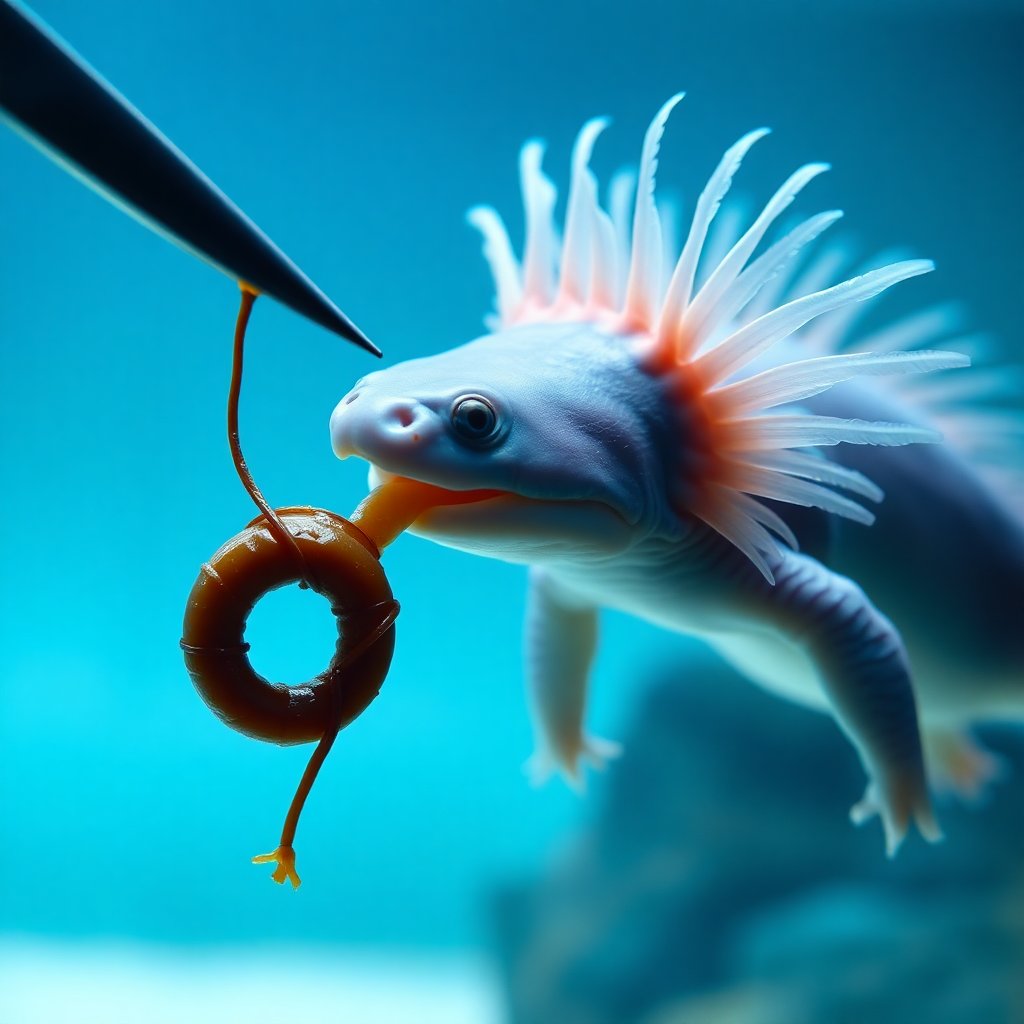
Feeding your axolotl properly is crucial to their health and longevity. After keeping axolotls for years, I've learned that what, when, and how much you feed makes a dramatic difference in their quality of life.
What Axolotls Eat in the Wild
Understanding natural diet helps inform captive feeding. Wild axolotls are carnivorous predators that hunt small fish, worms, insects, and crustaceans. They're opportunistic feeders with slow metabolisms, eating when food is available but going extended periods between meals.
This natural feeding pattern means axolotls don't need daily meals, and overfeeding is a common beginner mistake that leads to health problems.
Live Food Options
Live food triggers axolotls' hunting instincts and provides mental stimulation along with nutrition.
Earthworms: The Gold Standard
Earthworms are my go-to staple food for adult axolotls. They're nutritionally complete, readily available, and axolotls love them.
I buy red wigglers or nightcrawlers from fishing stores or online suppliers. Make sure they're pesticide-free—worms from your garden may have been exposed to chemicals harmful to axolotls.
For adult axolotls (over 6 inches), I offer one or two large nightcrawlers every 2-3 days. The worms should be roughly the length between the axolotl's eyes—this prevents choking while ensuring adequate nutrition.
Blackworms and Bloodworms
Live blackworms work well for juvenile axolotls and as occasional variety for adults. They're smaller than earthworms and easier for young axolotls to handle.
Bloodworms (mosquito larvae) are treats rather than staples—they lack sufficient nutrition for regular feeding but axolotls enjoy them. I use bloodworms sparingly, like offering dessert occasionally.
Small Fish (With Caution)
Small feeder fish like guppies or minnows provide enrichment, but there are risks. Some feeder fish carry parasites or diseases that can transfer to your axolotl.
I occasionally offer feeder fish from reputable sources, but never as a staple diet. The excitement of hunting is worth the occasional treat, but the parasitic risk means moderation is essential.
Browse axolotl feeding supplies on Amazon
Frozen Food Options
Frozen foods offer convenience and safety compared to live options.
Frozen Bloodworms
Frozen bloodworms are convenient and widely available at pet stores. They're good supplementary food but shouldn't be the sole diet—they lack calcium and other nutrients earthworms provide.
I keep frozen bloodworms on hand for variety and use them when I run out of earthworms or want to give my axolotls something different.
Frozen Brine Shrimp
Brine shrimp work for juveniles but don't offer enough nutrition for adults. They're mostly water with minimal nutritional value.
I used brine shrimp when raising baby axolotls but graduated to more nutritious options as they grew.
How to Feed Frozen Food
Thaw frozen food in a small container of tank water before offering it to your axolotl. Never dump frozen food directly into the tank—the temperature shock can stress your pet, and uneaten frozen food pollutes water faster than live food.
I use tweezers to hand-feed frozen foods, waving them in front of the axolotl's face to trigger their feeding response. This prevents uneaten food from settling into substrate.
Find frozen fish food on Amazon
Pellet Food: Convenient But Controversial
High-quality carnivorous pellets formulated for axolotls or similar species can work, but many axolotls initially refuse pellets.
Training Axolotls to Eat Pellets
I've successfully transitioned axolotls to pellets by mixing them with earthworms initially, then gradually increasing the pellet ratio. Some accept pellets readily; others never fully adapt.
Pellets must be high-protein, sinking pellets—axolotls are bottom feeders and won't chase floating food. Salmon or trout pellets work if specifically formulated for carnivores.
Pellet Pros and Cons
Pros: Convenient, long shelf life, complete nutrition if quality is high
Cons: Less enriching than live food, some axolotls refuse them, harder to monitor consumption
I use pellets as backup when I can't get fresh earthworms, but prefer live food as the primary diet.
Feeding Schedules by Age
Axolotl feeding frequency changes as they mature.
Baby Axolotls (0-3 inches)
Young axolotls have faster metabolisms and need daily feeding. I feed babies once or twice daily with small portions—live blackworms, daphnia, or tiny pieces of earthworm.
The key is offering food small enough to swallow easily. If food is too large, babies will ignore it or choke attempting to eat it.
Juvenile Axolotls (3-6 inches)
As juveniles grow, reduce feeding to once daily or every other day. I feed juveniles earthworm portions about half the size I'd give adults.
Monitor growth—if they're gaining size steadily, you're feeding the right amount. Slow growth suggests underfeeding; rapid weight gain without length increase indicates overfeeding.
Adult Axolotls (6+ inches)
Adult axolotls thrive on feeding every 2-3 days. Their slow metabolism means they don't need daily meals, and overfeeding causes obesity and liver problems.
I feed my adults every 2-3 days with one or two large earthworms per feeding. On feeding days, they're excited and active. Between feedings, they rest calmly—this is normal and healthy.
Portion Sizes: How Much is Enough?
The general rule: feed an amount roughly equal to the size of your axolotl's head. This prevents overfeeding while ensuring adequate nutrition.
Signs of Proper Feeding
A well-fed axolotl has a slightly rounded belly after eating but isn't bloated. Within 12-24 hours, the belly returns to a normal streamlined shape.
Healthy axolotls are alert and swim normally after eating. Bloating, lethargy, or floating indicates overfeeding or digestive issues.
Signs of Overfeeding
Overfeeding is more dangerous than underfeeding. Signs include:
- Visibly distended, bloated belly lasting more than 24 hours
- Difficulty swimming or abnormal floating
- Curved spine (lordosis) in young axolotls
- Regurgitated food
If you notice these signs, skip the next feeding and reduce portion sizes going forward.
Signs of Underfeeding
Underfeeding is less common but problematic:
- Thin appearance with visible ribs or spine
- Constantly searching for food
- Slow growth in juveniles
- Aggression toward tank mates
If your axolotl shows these signs, increase feeding frequency or portion sizes.
Shop aquarium maintenance supplies on Amazon
Hand Feeding vs. Tank Feeding
I prefer hand-feeding with soft-tipped tweezers. This ensures my axolotl actually eats the food and prevents uneaten portions from rotting in the substrate.
Hand-feeding also provides interaction and lets me monitor each axolotl's appetite closely. If one refuses food, I know immediately something might be wrong.
Some keepers prefer dropping food directly into the tank, which is fine for earthworms since they burrow and stay alive until eaten. However, this method makes monitoring consumption harder.
Foods to Avoid
Several foods are dangerous for axolotls:
Processed meats: Hot dogs, lunch meat, or any human food. These contain preservatives and spices harmful to axolotls.
Hard-shelled foods: Whole shrimp with shells can cause impaction. If feeding shrimp, remove shells first.
Feeder goldfish: Goldfish contain thiaminase, an enzyme that breaks down vitamin B1, leading to deficiencies. Some people feed goldfish occasionally, but safer alternatives exist.
Wild-caught insects: Insects from your yard may carry pesticides or parasites. Only use commercially raised insects.
I learned early on that "just trying" random foods isn't worth the risk. Stick with proven safe options.
Water Quality After Feeding
Uneaten food degrades water quality rapidly. I remove any uneaten food within an hour of feeding to prevent ammonia spikes.
After feeding, I monitor water parameters more closely. If ammonia or nitrite levels rise, I increase water change frequency until parameters stabilize.
Fasting Periods
Occasional fasting benefits adult axolotls. I sometimes skip a feeding cycle (going 4-5 days between meals) to give their digestive systems a break.
Fasting helps prevent constipation and mimics natural feast-famine cycles. Never fast juveniles or babies—only adults can safely handle extended periods without food.
Special Considerations
Sick Axolotls
Sick axolotls often lose appetite. Don't force-feed—focus on treating the underlying illness and optimizing water conditions. Appetite returns when health improves.
Breeding Females
Breeding females need increased feeding before and after egg-laying. I feed breeding females daily in the weeks before breeding season to ensure they have adequate fat reserves.
Temperature and Appetite
Warmer water increases metabolism, leading to increased appetite. Cooler water (ideal for axolotls) slows metabolism, reducing feeding needs.
In summer when my water temperature rises slightly, my axolotls show more interest in food. In winter with cooler water, they're content with less frequent feeding.
My Feeding Routine
For my adult axolotls, here's my exact routine:
Monday and Thursday evenings: Offer 1-2 large nightcrawlers per axolotl using soft tweezers. Watch them hunt and ensure each eats.
Between feedings: Monitor behavior and water quality. Perform routine 20% water changes weekly, more if needed.
Monthly: Offer frozen bloodworms or a small feeder fish as a treat for variety.
This schedule keeps my axolotls healthy, active, and at ideal body condition.
Proper feeding is foundational to axolotl care. By understanding their nutritional needs, offering appropriate food types, and following age-appropriate schedules, you'll keep your axolotl healthy and thriving for their 10-15 year lifespan.
Frequently Asked Questions
How often should I feed my adult axolotl?
Adult axolotls do best when fed every 2–3 days rather than daily. Their metabolism is slow, and overfeeding is a more common problem than underfeeding. Stick to a consistent schedule — such as Monday and Thursday evenings — and offer one to two large earthworms per axolotl per feeding session.
What is the best food for axolotls?
Earthworms (nightcrawlers or red wigglers) are the gold standard. They're nutritionally complete, readily available, and mimic the axolotl's natural prey. Make sure they're pesticide-free and sized appropriately — roughly the distance between your axolotl's eyes. Frozen bloodworms work as supplementary variety, but shouldn't be the sole diet.
Can axolotls eat fish food or pellets?
Some axolotls will accept high-protein sinking pellets, but many refuse them entirely. Pellets require slow acclimation (mixing with earthworms, then gradually increasing the pellet ratio). If your axolotl accepts them, pellets can serve as a convenient backup — but live earthworms remain nutritionally superior for long-term health.
How do I know if I'm overfeeding my axolotl?
A visibly distended, bloated belly lasting more than 24 hours after feeding is the clearest sign of overfeeding. Other red flags include difficulty swimming, floating abnormally, or regurgitated food in the tank. If you notice these signs, skip the next feeding and reduce portion sizes going forward.
Should I hand-feed my axolotl or drop food in the tank?
Hand-feeding with soft-tipped tweezers is the preferred method. It lets you confirm that each axolotl actually eats, prevents uneaten food from decomposing in the substrate, and gives you an early warning if an individual's appetite changes — which can signal illness.
Explore axolotl care products on Amazon
As an Amazon Associate we earn from qualifying purchases. This article contains affiliate links; if you buy through them we may earn a small commission at no additional cost to you.