 Axolotl Den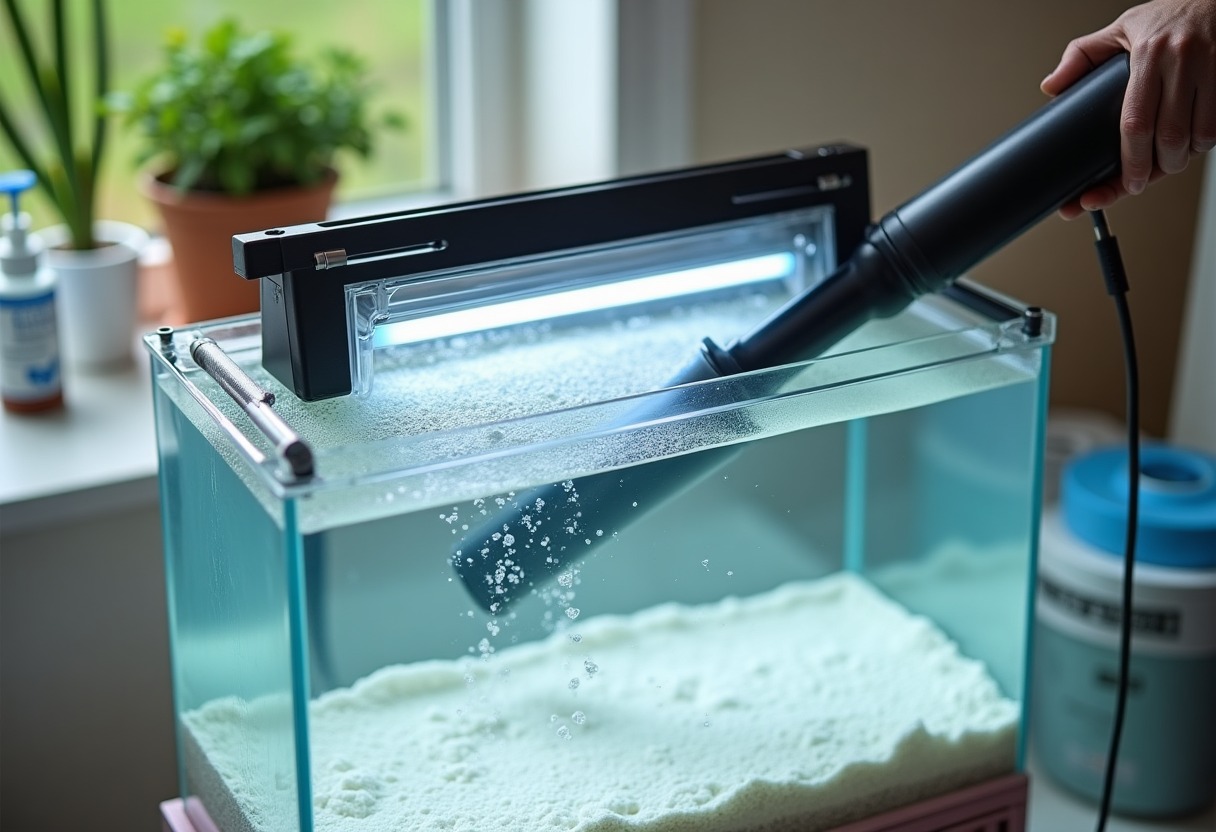
Poor tank maintenance kills more axolotls than any disease. A consistent axolotl tank maintenance schedule prevents the accumulation of toxic waste, maintains stable water parameters, and catches problems before they become life-threatening emergencies.
Why Axolotls Need Stricter Maintenance Than Most Aquatic Pets
Axolotls produce significantly more waste than fish of comparable size due to their carnivorous diet and cold-water metabolism. Their gill filaments absorb toxins directly from the water, making them extremely sensitive to ammonia and nitrite spikes that other aquatic pets might tolerate temporarily.
According to Caudata.org, axolotls require water temperatures between 60-64°F, which slows beneficial bacteria growth in biological filters. This means your filtration system processes waste less efficiently than in tropical aquariums, requiring more frequent water changes to maintain safe conditions.
Poor maintenance creates a cascade of health problems. Elevated ammonia burns gill tissue, reducing oxygen absorption. High nitrates stress the immune system, making axolotls susceptible to bacterial infections and fungal growths. Water parameter swings from inconsistent cleaning trigger stress responses that can last weeks, affecting appetite and regenerative abilities.
Daily Maintenance Tasks for Axolotl Tanks
Check water temperature every morning using a reliable thermometer. Axolotl health deteriorates rapidly when temperatures exceed 68°F, so temperature monitoring prevents stress before it starts. Remove any uneaten food within 2-3 hours of feeding to prevent bacterial blooms.
Observe your axolotl's behavior during feeding. Healthy axolotls respond immediately to food presentation and consume meals within 10-15 minutes. Sluggish feeding responses or food rejection often indicate developing health issues that require immediate attention.
Inspect gill filaments for signs of stress or disease. Healthy gills appear bright red or pink with feathery, extended branches. Pale, frayed, or shortened gills signal poor water quality or illness. Document any changes with photos to track progression or improvement.
Test water parameters if you notice behavioral changes, cloudiness, or unusual odors. Early detection prevents minor issues from becoming tank crashes that require emergency interventions.
Weekly Axolotl Tank Cleaning Routine
Perform 25-30% water changes every week without exception. Unlike fish tanks where you might skip a week, axolotl bioload requires this consistency. Use a → Shop aquarium gravel vacuum on Amazon to remove waste from substrate during water changes.
Test ammonia, nitrite, and nitrate levels before each water change. Record results in a maintenance log to identify trends that might indicate filter problems or overfeeding. Ammonia and nitrite should always read 0 ppm, while nitrates should stay below 20 ppm.
Clean tank glass using an → Shop algae scraper aquarium on Amazon designed for aquarium use. Avoid household cleaners that leave toxic residues. Focus on corners where organic material accumulates and creates bacterial hotspots.
Rinse filter media in tank water, never tap water. Chlorine in tap water kills beneficial bacteria that process waste. Replace mechanical filtration media monthly while preserving biological media that houses your nitrogen cycle bacteria.
Vacuum substrate thoroughly, especially around feeding areas and decorations. Axolotl waste settles quickly in cold water, creating anaerobic pockets that produce toxic hydrogen sulfide gas if not removed regularly.
| Maintenance Task | Frequency | Time Required | Critical Success Factor | |------------------|-----------|---------------|------------------------| | Water changes (25-30%) | Weekly | 30-45 minutes | Match temperature within 2°F | | Parameter testing | Weekly | 10 minutes | Test before water changes | | Substrate vacuuming | Weekly | 15-20 minutes | Focus on feeding areas | | Glass cleaning | Weekly | 10 minutes | Use aquarium-safe tools only |
Monthly Deep Cleaning and Equipment Maintenance
Deep clean your filtration system monthly by disassembling and inspecting all components. Clean impellers, housing, and tubes with warm water and a soft brush. Replace worn impellers that create excessive noise or reduced flow rates.
Inspect and clean your chiller system if you use one. Dust accumulation on condenser coils reduces efficiency and increases energy costs. Clean coils with compressed air or a soft brush monthly to maintain optimal performance. Reference our Axolotl Temperature Requirements Chillers guide for detailed chiller maintenance protocols.
Check all electrical connections for corrosion or damage. Aquarium environments create humidity that corrodes connections over time. Replace any damaged cords immediately to prevent electrical hazards.
Test your backup aeration system if you maintain one for power outages. Battery-powered air pumps require monthly testing to ensure reliability during emergencies. Replace batteries before they reach expiration dates.
Examine tank decorations and hiding spots for sharp edges or damage that could injure your axolotl. Sand down any rough spots on wood or stone decorations. Replace damaged plastic decorations that might harbor bacteria in cracks or holes.
Essential Cleaning Equipment and Product Recommendations
Invest in quality maintenance tools that make routine care efficient and effective. A complete cleaning kit eliminates excuses for skipping maintenance sessions.
→ Shop aquarium test strips on Amazon provide quick parameter checks, but liquid test kits offer more accuracy for critical measurements. Keep both types available for different situations.
Use only dechlorinator specifically designed for aquariums. → Shop aquarium water conditioner on Amazon removes chlorine and chloramines while adding beneficial slime coat protectants. Dose according to your total tank volume, not just replacement water volume.
A complete → Shop fish tank cleaning kit on Amazon should include algae scrapers, gravel vacuum, water change tubing, and glass cleaning tools. Quality tools last years and make maintenance faster and more thorough.
Consider a maintenance logbook or smartphone app to track water parameters, feeding schedules, and equipment performance. Consistent record-keeping identifies patterns that help prevent problems before they affect your axolotl's health.
Advanced Maintenance Strategies Most Keepers Miss
Establish backup maintenance protocols for travel or illness. Train family members or friends to perform basic water changes and parameter testing. Leave detailed instructions and pre-measured water conditioner doses for emergency situations.
Monitor seasonal changes that affect tank maintenance needs. Summer months may require more frequent water changes due to increased evaporation and higher ambient temperatures stressing chiller systems. Winter heating bills might tempt you to raise tank temperatures, requiring more vigilant monitoring.
Quarantine new decorations, plants, or equipment for 2-4 weeks before adding them to your main tank. Even aquarium-safe items can introduce bacteria or parasites that stress established axolotls. Use a separate quarantine setup to observe new additions safely.
Rotate maintenance schedules if you keep multiple axolotl tanks. Stagger water change days to prevent simultaneous parameter swings that might indicate house-wide water quality issues. This approach also distributes your maintenance workload more evenly.
Pre-mix and age replacement water for 24-48 hours before water changes. This allows chlorine to dissipate naturally and temperatures to stabilize, reducing stress on your axolotl during water changes. Store aged water in clean containers dedicated only to aquarium use.
Frequently Asked Questions
How often should I change the water in my axolotl tank? Change 25-30% of tank water weekly without exception, regardless of test results or tank appearance. Axolotls produce substantial waste loads that accumulate quickly in cold water temperatures. Even with excellent filtration, weekly water changes remain essential for removing dissolved organic compounds that test kits don't measure but still stress axolotls over time.
Can I clean my axolotl tank with soap or household cleaners? Never use soap, bleach, or household cleaners on any aquarium equipment or surfaces your axolotl contacts. These products leave residues that are toxic to aquatic life even in tiny concentrations. Use only hot water and dedicated aquarium cleaning tools, or aquarium-safe cleaning products specifically designed for fish tank maintenance.
Should I remove my axolotl during tank cleaning? Remove your axolotl only for major maintenance like substrate replacement or tank moves. Weekly cleaning can be performed safely with the axolotl present, using gentle movements and avoiding the area where your pet rests. Temporary removal creates unnecessary stress and requires additional containers with proper water parameters and temperature matching.
How do I know if I'm cleaning too much or too little? Monitor ammonia and nitrate levels to gauge cleaning frequency effectiveness. Consistent zero ammonia and nitrites with nitrates below 20 ppm indicate appropriate maintenance. If nitrates exceed 20 ppm weekly, increase water change frequency or volume. If you see algae growth, bacterial blooms, or notice odors, you're likely under-cleaning and need more frequent maintenance sessions.
What should I do if I miss a week of maintenance while traveling? Test water parameters immediately upon return and perform a larger water change (40-50%) if nitrates exceed 20 ppm or any ammonia/nitrite appears. Resume normal weekly maintenance schedule immediately rather than trying to "catch up" with multiple large water changes. Consider automatic dosing systems or pet sitters for future travel to maintain consistent care schedules.
A structured maintenance routine transforms axolotl keeping from stressful crisis management into predictable, rewarding pet care that keeps your aquatic companion healthy for decades.
Some links on this page are affiliate links. We may earn a small commission if you purchase through them, at no extra cost to you.
As an Amazon Associate we earn from qualifying purchases. This article contains affiliate links; if you buy through them we may earn a small commission at no additional cost to you.