 Axolotl Den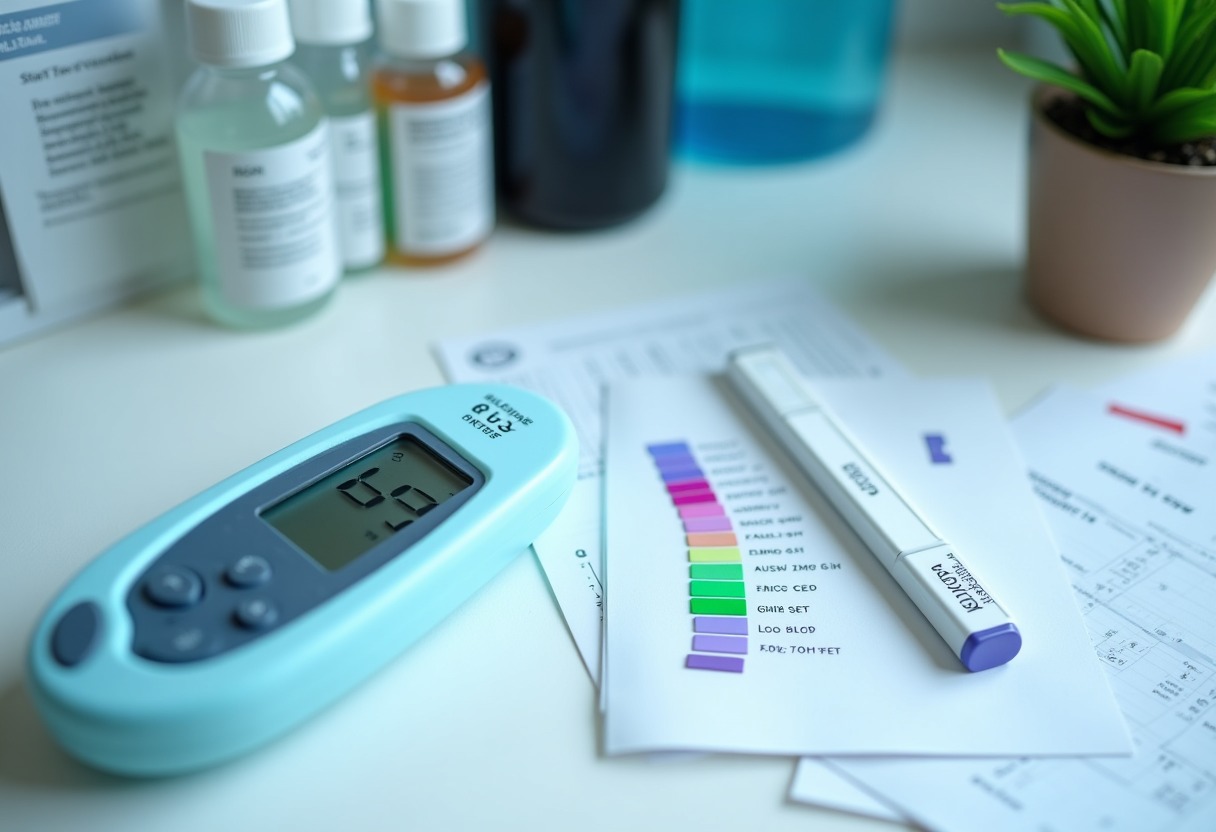
Wrong water parameters kill more axolotls than any other factor. While these aquatic salamanders appear hardy, they're extremely sensitive to water chemistry changes that would barely affect tropical fish.
Why Axolotl Water Parameters Matter More Than You Think
Axolotls breathe through their gills and skin, making them living filters for every chemical in your tank. Unlike fish that can surface for air when stressed, axolotls depend entirely on dissolved oxygen and pristine water quality. Their permeable skin absorbs toxins directly, meaning ammonia burns happen faster and more severely than in scaled fish.
The Caudata organization documents how axolotls in their natural habitat experience remarkably stable water conditions in Lake Xochimilco's cool, well-oxygenated canals. Your tank must replicate this stability. A pH swing that barely registers to goldfish can trigger stress responses in axolotls, leading to decreased appetite, gill curling, and increased disease susceptibility.
Temperature fluctuations compound these problems. Axolotls metabolize toxins slower in cooler water, but they also process oxygen less efficiently. This creates a narrow window where everything must work perfectly together.
Critical Water Parameters Every Axolotl Keeper Must Monitor
Temperature: 60-64°F (15-18°C) This non-negotiable range keeps axolotls comfortable and their immune systems functioning. Above 68°F, beneficial bacteria die off and harmful bacteria multiply rapidly. Below 58°F, axolotls become lethargic and stop eating. You need a reliable aquarium chiller for consistent temperature control - check out our detailed guide on Axolotl Temperature Requirements Chillers.
Ammonia: 0 ppm (Zero Tolerance) Any detectable ammonia burns axolotl gills and skin within hours. Unlike fish, axolotls show stress immediately through gill fluttering, loss of appetite, and skin irritation. Test ammonia daily during cycling and weekly thereafter with → Shop ammonia test kits on Amazon.
Nitrite: 0 ppm (Zero Tolerance) Nitrites bind to axolotl blood cells, preventing oxygen transport. Even 0.25 ppm causes labored breathing and lethargy. During cycling, nitrite spikes can reach dangerous levels quickly. Use → Shop nitrite test kits on Amazon to catch problems before they become fatal.
Nitrate: Under 20 ppm While less toxic than ammonia and nitrites, elevated nitrates stress axolotls over time. Keep nitrates below 20 ppm through regular water changes and proper filtration. Our Best Filters Axolotl Tank 2026 guide covers filtration systems that excel at nitrate control.
pH: 6.5-8.0 Axolotls tolerate a wider pH range than many aquatic pets, but stability matters more than exact numbers. Sudden pH swings cause osmotic shock. Test pH weekly with → Shop digital pH meters on Amazon for accurate readings.
Water Parameter Testing Schedule and Methods
Your testing frequency depends on tank maturity and recent changes. New tanks require daily monitoring, while established systems need weekly checks.
| Parameter | New Tank (0-6 weeks) | Established Tank (6+ weeks) | After Problems | Test Method | |-----------|----------------------|----------------------------|----------------|-------------| | Ammonia | Daily | Weekly | Daily until resolved | Liquid test kit (most accurate) | | Nitrite | Daily | Weekly | Daily until resolved | Liquid test kit preferred | | Nitrate | Every 3 days | Weekly | Every 3 days | Liquid or strip tests | | pH | Daily | Weekly | Daily during treatments | Digital meter or liquid |
Liquid Test Kits vs Test Strips Liquid test kits provide accurate readings critical for axolotl safety, especially for ammonia and nitrites where precision matters. Test strips work for routine nitrate and pH monitoring but can miss dangerous ammonia spikes. → Shop aquarium test strips on Amazon for convenient weekly checks, but keep liquid kits for problem-solving.
Water Conditioning Requirements Municipal water contains chlorine and chloramines that damage axolotl gills instantly. Always treat tap water with a quality dechlorinator before adding it to the tank. → Shop aquarium water conditioners on Amazon that neutralize both chlorine and chloramines. Prime and Safe are reliable options that also temporarily detoxify ammonia during cycling.
Advanced Water Quality Management Techniques
Managing pH Naturally Commercial pH adjusters create unstable conditions that stress axolotls. Instead, use natural methods for long-term pH stability. Malaysian driftwood releases tannins that gradually lower pH, while crushed coral substrate slowly raises it. Make changes gradually over weeks, not days.
Dealing with Cycling Crashes Even mature tanks can experience bacterial die-offs during heat waves, power outages, or medication treatments. When beneficial bacteria crash, ammonia and nitrites spike within 24-48 hours. Keep bottled bacteria cultures refrigerated for emergencies. Seachem Stability and Fritz TurboStart 700 both work well for rapid re-establishment.
Temperature and Chemistry Interactions Warmer water holds less dissolved oxygen while accelerating bacterial growth and axolotl metabolism. This creates a dangerous cycle where axolotls need more oxygen but get less, while producing more waste that overwhelms filtration. Summer temperature spikes require increased water changes and careful monitoring.
Quarantine Tank Parameters New axolotls or sick individuals need identical water parameters to your main tank. Sudden parameter changes during quarantine stress already compromised axolotls. Set up your Quarantine Tank Setup with water from the main tank, then maintain parameters exactly. This prevents additional stress during treatment.
FAQ
How often should I test axolotl water parameters if my tank is cycled? Test ammonia, nitrite, and pH weekly in established tanks, with nitrates checked every two weeks. During summer months when temperatures fluctuate, increase testing to twice weekly since warmer water destabilizes chemistry faster. After any tank changes - new decorations, filter cleaning, or medication use - return to daily testing for one week to catch problems early.
What should I do if my axolotl tank shows detectable ammonia or nitrites? Perform an immediate 50% water change using properly conditioned water matching your tank temperature. Test again in 2 hours - if readings remain above zero, do another 25% water change. Test daily and change water as needed to maintain zero ammonia and nitrites. Identify the cause: overfeeding, dead plant matter, filter problems, or bacterial die-off. Address the root cause while managing symptoms through water changes.
Can I use well water for my axolotl tank without testing? Never assume well water is safe without comprehensive testing. Well water often contains dissolved minerals, heavy metals, or hydrogen sulfide that harm axolotls. Have your well water tested for pH, hardness, ammonia, nitrates, iron, and heavy metals before use. Many wells require specific filtration before being suitable for axolotls. Municipal water with proper dechlorination is often safer and more predictable.
Why does my pH keep changing even though I'm not adding anything to the tank? pH naturally drifts in aquariums due to biological processes, CO2 absorption from air, and organic waste breakdown. Beneficial bacteria produce acids that gradually lower pH over time, while evaporation concentrates minerals that raise pH. This is normal drift, not a problem, unless it exceeds 0.5 pH units between water changes. Large, sudden pH swings indicate problems with filtration, overfeeding, or dead organic matter.
How do I maintain stable water parameters during power outages? Keep battery-powered air pumps for oxygenation and insulated containers with pre-treated water for emergency changes. Without filtration, waste accumulates rapidly, so reduce feeding and perform 25% water changes every 12 hours during extended outages. Cold water holds more oxygen than warm water, so axolotls tolerate temporary temperature drops better than parameter spikes. Focus on maintaining zero ammonia rather than perfect temperature during emergencies.
Perfect water parameters form the foundation of successful axolotl keeping, but consistency matters more than chasing exact numbers - stable, safe water keeps axolotls healthy and thriving for decades.
Some links on this page are affiliate links. We may earn a small commission if you purchase through them, at no extra cost to you.
As an Amazon Associate we earn from qualifying purchases. This article contains affiliate links; if you buy through them we may earn a small commission at no additional cost to you.