 Axolotl Den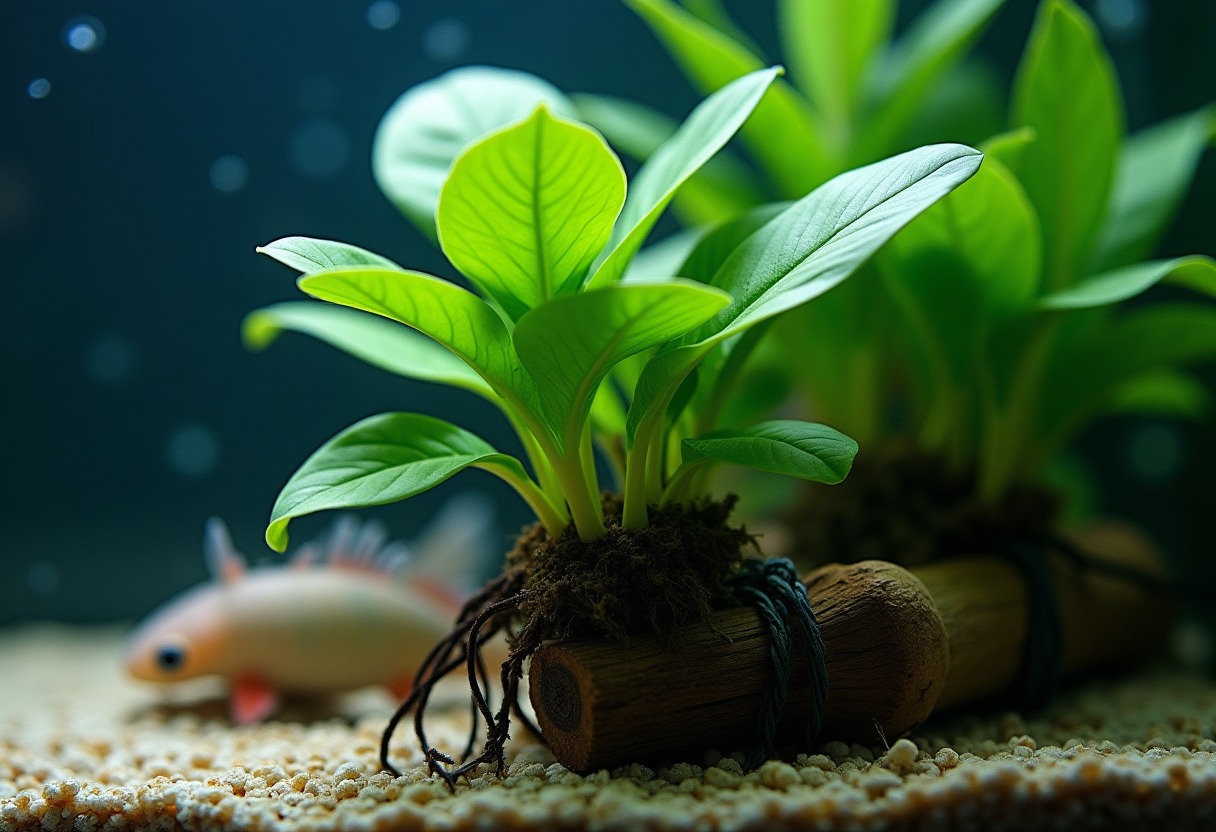
Most planted tank guides assume tropical temperatures and bright lighting—neither of which work for axolotls. Your tank needs plants that thrive at 60-64°F, tolerate dim conditions, and won't die when your axolotl bulldozes through them at feeding time.
Why Live Plants Work Better Than Plastic in Axolotl Tanks
Live plants do three things plastic can't match: they consume nitrates directly from the water column, produce oxygen during photosynthesis, and provide soft surfaces that won't scrape delicate axolotl skin. According to research on nitrogen cycling in freshwater aquariums, plants can reduce nitrate levels by 20-40% between water changes when properly established.
The cold water requirement eliminates most popular aquarium plants. Species like Amazon swords and rotala need 72-78°F to maintain growth. At 60-64°F, they'll slowly decline and eventually melt. You need plants adapted to temperate or cold water environments—species that naturally grow in streams, ponds, or marshes where temperatures stay cool year-round.
Live plants also stabilize pH by absorbing dissolved CO2 during the day. This matters when you're maintaining the 7.4-7.6 range axolotls need, as outlined in our Axolotl Water Parameters Complete Guide. The plants act as a buffer against the pH swings that stress axolotls and trigger health issues.
Best Live Plants for Axolotl Tanks: Cold-Tolerant Species That Actually Survive
Anubias (all varieties) tops the list. These West African plants tolerate temperatures down to 60°F, grow in extremely low light, and have thick rhizomes that resist damage. Anubias barteri, Anubias nana, and Anubias coffeefolia all work equally well. The waxy leaves stay intact even when axolotls rest on them. → Shop anubias aquarium plants on Amazon
Java fern (Microsorum pteropus) handles cold water and low light as well as Anubias. The fine root system attaches to rocks or driftwood without substrate, which works perfectly for bare-bottom tanks. Java fern grows slowly—expect 1-2 new leaves per month—but requires almost no maintenance. The narrow leaf variety stays compact in smaller tanks. → Shop java fern live aquatic plants on Amazon
Marimo moss balls aren't actually moss—they're colonies of Aegagropila linnaei algae that form spherical shapes. They thrive in cold water (native habitat temperatures range from 50-70°F), require no planting, and axolotls seem to enjoy pushing them around the tank. Each ball absorbs small amounts of nitrate and phosphate. → Shop marimo moss balls on Amazon
Elodea (waterweed) grows rapidly in cold water—sometimes too rapidly. This floating or loosely planted stem plant comes from temperate North American waters and actually prefers cooler temperatures. One downside: axolotls occasionally nibble it during feeding frenzies, though it grows back quickly enough that this rarely causes problems.
Hornwort works as a floating plant that doesn't need substrate. It grows at 59-86°F and absorbs ammonia directly from the water. The needle-like leaves shed occasionally, which creates minor cleanup work but doesn't harm axolotls. Keep it trimmed to prevent overgrowth.
Planting Methods for Different Tank Setups
| Plant Type | Substrate Needed | Attachment Method | Growth Rate | Maintenance Level | |------------|------------------|-------------------|-------------|-------------------| | Anubias | No (rhizome plant) | Tie to rock/wood with thread or fishing line | Slow (1-2 leaves/month) | Very low—trim brown leaves monthly | | Java Fern | No (rhizome plant) | Wedge between rocks or tie to driftwood | Slow to moderate | Very low—remove plantlets when crowded | | Marimo Moss Ball | No | Place on substrate | Very slow (5mm/year) | Minimal—rotate weekly, rinse monthly | | Elodea | Optional | Weight stems or let float | Fast (can double in 2-3 weeks) | Moderate—trim weekly to control size |
Bare-bottom tanks work fine with rhizome plants and moss balls. For Axolotl Substrate Setup Guide configurations using fine sand, you can plant stem species by burying 1-2 inches of the lowest nodes. Use → Shop aquarium plant weights anchors on Amazon to secure plants until roots establish—usually 2-3 weeks.
Never bury Anubias or Java fern rhizomes in substrate. The rhizome (thick horizontal stem) needs water flow around it or it'll rot. Attach these plants to hardscape using cotton thread or clear fishing line. The thread will eventually dissolve, but by then the plant's roots will have secured it naturally.
For precision placement, especially in decorated tanks following our Best Axolotl Tank Decorations Safe guidelines, use → Shop aquarium planting tweezers on Amazon. The long-handled versions let you position plants without disturbing established areas.
Lighting and Fertilization Requirements
Low-intensity lighting preserves axolotl comfort while supporting plant growth. Your plants need 6-8 hours of light daily—exactly what we recommend in our Axolotl Tank Lighting Guide for preventing stress. Standard aquarium LEDs on the lowest brightness setting work perfectly.
Cold water plants grow slowly, which means they consume fewer nutrients than tropical species. You don't need CO2 injection or powerful fertilizers. A liquid fertilizer dosed at half the manufacturer's recommended strength once every 2-3 weeks provides sufficient micronutrients. Products designed for low-tech planted tanks work best.
Skip any fertilizer containing copper sulfate—copper is toxic to axolotls at concentrations above 0.018 mg/L according to amphibian toxicity data. Check ingredient lists carefully. Iron-based fertilizers are safe when used at proper dosing.
The slow growth rate actually benefits your maintenance schedule. Plants won't overgrow the tank between monthly cleanings outlined in our Axolotl Tank Maintenance Schedule. You'll trim Anubias leaves maybe once per month, and Java fern even less frequently.
What Most Guides Miss: Quarantine and Acclimation for New Plants
Commercial aquarium plants often carry pesticide residues, snail eggs, or planaria. Pesticides designed to kill invertebrates can harm axolotls—their permeable skin absorbs chemicals readily. Always quarantine new plants for 3-5 days in a separate container with dechlorinated water before adding them to your main tank.
During quarantine, check for snail eggs (small clear jelly masses) and hitchhiker snails. Most snails are harmless, but Malaysian trumpet snails and bladder snails reproduce so rapidly they'll overrun a tank. Remove any you find, or consider keeping one assassin snail in your main tank as natural population control.
Rinse plants thoroughly under cool running water before quarantine. For plants that might harbor pests in tight spaces, a 30-second dip in water mixed with 1 part hydrogen peroxide to 20 parts water kills most unwanted organisms without harming the plant. Rinse again immediately after the dip.
Temperature shock matters less for cold-water plants, but still acclimate them gradually when moving from quarantine to your main tank. Float the plant in a container of quarantine water inside your tank for 20-30 minutes, then plant. This prevents sudden parameter changes that could cause leaf melt.
Troubleshooting Common Plant Problems in Axolotl Tanks
Brown or yellow leaves on Anubias: Usually indicates either buried rhizome (uncover it) or insufficient light. Even low-light plants need some illumination. If your tank is in a windowless room with less than 6 hours of artificial light daily, increase lighting duration gradually by 30 minutes per week until you reach 8 hours.
Java fern developing brown spots: These spots are actually spores—completely normal. The plant is reproducing. Small plantlets will grow from these spots and can be removed and attached elsewhere once they develop 3-4 leaves.
Melting leaves shortly after planting: Normal adjustment period. Plants grown in emersed (above-water) conditions at nurseries need 2-4 weeks to transition to fully submersed growth. Old leaves may die off while new submersed leaves develop. Don't remove the plant unless the rhizome itself turns mushy.
Moss balls turning brown: Either not enough light or accumulation of debris. Roll them gently between your palms under running water during water changes. Rotate their position weekly so all sides receive light exposure.
Elodea stems going transparent: Water temperature is too warm. Check your chiller settings per our Axolotl Temperature Requirements Chillers guide. Elodea tolerates brief warm spells but won't survive sustained temperatures above 70°F.
FAQ
Can axolotls eat aquarium plants and will it hurt them?
Axolotls occasionally nibble softer plants like Elodea or hornwort during feeding excitement, but they're carnivores and don't digest plant matter. Small amounts pass through their system harmlessly. The thick leaves of Anubias and Java fern are too tough for them to bite effectively. If your axolotl is actively eating plants rather than accidentally inhaling bits during feeding, check our Axolotl Feeding Guide—it might indicate nutritional deficiency or improper diet. True herbivorous behavior is rare and usually signals that the axolotl isn't getting enough protein.
Do I need special substrate to grow plants in an axolotl tank?
No. The best plants for axolotl tanks (Anubias, Java fern, moss balls) are rhizome or epiphytic species that don't require substrate at all. They attach to hardscape or simply rest on the bottom. If you're using fine sand substrate as recommended in our Axolotl Substrate Setup Guide, it won't harm these plants but doesn't provide nutrients either. Plant-specific substrates like aquasoil release too many tannins and can alter pH—avoid them. The slow-growing cold water plants suitable for axolotls get nutrients primarily from the water column, not substrate.
How many plants should I put in a 20-gallon axolotl tank?
Start with 2-3 Anubias plants, 1-2 Java ferns, and 3-4 moss balls for a 20-gallon tank. This provides visual interest and biological benefit without overcrowding the swimming space axolotls need. You can add more over time as you observe how your axolotl navigates the layout—some individuals prefer more open space while others like dense vegetation for hiding. Position plants along the back and sides first, leaving the front viewing area relatively clear. For initial setup advice, see our Axolotl Tank Setup Guide which covers spatial planning.
Will live plants help with the nitrogen cycle in my axolotl tank?
Yes, but they complement rather than replace proper cycling. Established plants consume 20-40% of nitrates produced by the nitrogen cycle, which extends time between water changes slightly. They also absorb some ammonia directly before it converts to nitrite, though not enough to skip the cycling process entirely. Always cycle your tank fully using the method described in our Cycling Your Axolotl Tank guide before adding axolotls, regardless of plant presence. Plants provide supplementary filtration—think of them as bonus biological media that also looks good and produces oxygen.
Can I use plants from outdoor ponds in my axolotl tank?
No, unless you're certain of the species and willing to risk extensive quarantine. Outdoor pond plants can carry parasites, pathogens, predatory insects, and pesticide residues that devastate aquarium ecosystems. Many native pond plants also require seasonal dormancy periods with temperature fluctuations your indoor tank can't provide. Some species like native Elodea canadensis technically work, but the risk far outweighs the cost savings. Commercially grown aquarium plants undergo quality control and disease prevention protocols. Stick with known aquarium species from reputable suppliers to protect your axolotl's health.
Building a Planted Axolotl Environment That Lasts
The right plants turn your axolotl tank into a living ecosystem that maintains itself between maintenance sessions, provides natural enrichment, and creates the temperate underwater environment these salamanders need—without the high-tech equipment planted tank enthusiasts usually require.
Some links on this page are affiliate links. We may earn a small commission if you purchase through them, at no extra cost to you.
As an Amazon Associate we earn from qualifying purchases. This article contains affiliate links; if you buy through them we may earn a small commission at no additional cost to you.