 Axolotl Den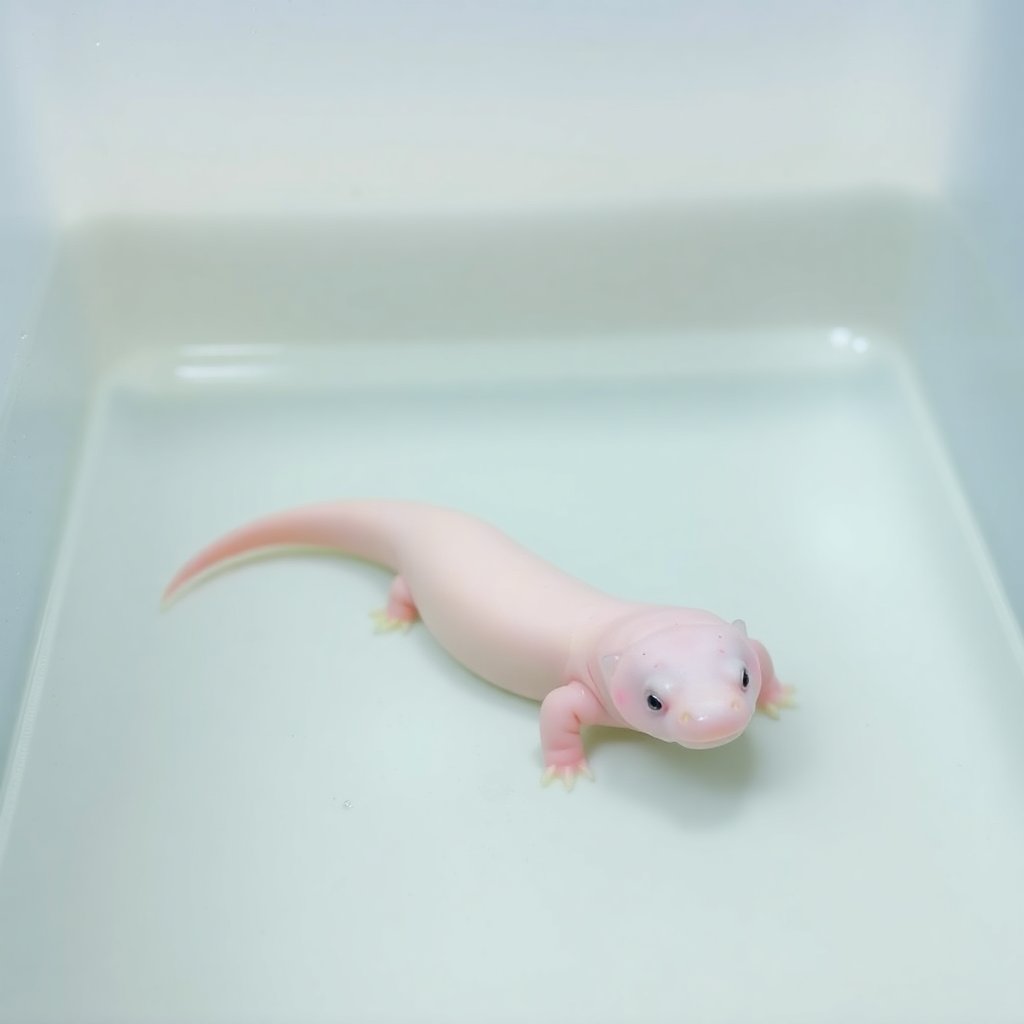
Few axolotl techniques are as misunderstood as fridging. New keepers hear that you can put a salamander in the refrigerator to help it heal, and they either dismiss it as internet nonsense or reach for it at the first cloudy gill. Both reactions cause harm. Fridging is a real, vet-recognized tool that slows an axolotl's metabolism to a crawl, but it is a serious intervention with a narrow set of uses and a handful of ways to get it wrong.
This guide walks through what fridging actually does, the specific problems it helps, the exact temperature and routine that keep it safe, and the situations where reaching for the fridge is the wrong call. Think of it as the procedure you read before an emergency, so you are not improvising at 2 a.m. with a stressed animal and a panicked search history.
This is general keeper-to-keeper information, not medical advice. Axolotl health problems can escalate fast — if your animal is seriously ill, talk to an exotics vet who treats amphibians.
What fridging actually does
Axolotls are cold-water amphibians. Their entire biology runs on temperature: warmer water speeds up their metabolism, digestion, and the progression of disease, while cooler water slows all of it down. Fridging simply pushes that dial to the low end on purpose.
When you drop an axolotl's water into the low 40s to low 50s Fahrenheit, three useful things happen at once. Metabolism slows, which reduces the animal's stress load and oxygen demand. Bacterial and fungal growth slows too, buying you time against an infection that would otherwise race ahead. And the gut often responds to cooling by trying to clear undigested material, which is why fridging is the go-to first move for suspected impaction.
The cold does not "cure" anything on its own. It is a holding pattern — a way to stabilize the animal and slow a problem while a real treatment (salt baths, tea baths, or a vet's plan) does the actual work.
When fridging is the right call
There are three classic situations where experienced keepers reach for the fridge.
Impaction or a swallowed object. If your axolotl has stopped eating, looks bloated, or has swallowed gravel or a too-large piece of substrate, cooling slows the gut and frequently helps it pass the blockage. Cold-blooded animals often eject undigested food or foreign material when cooled, precisely to keep it from rotting inside them. If you suspect your axolotl swallowed loose gravel, this is one more argument for the bare-bottom or fine-sand setups covered in our substrate guide.
Persistent fungus alongside salt or tea baths. Fungal patches on gills or skin are treated with short salt baths, and fridging in between those baths slows the fungus from spreading while you work through the treatment cycle. Fridging is a support act here, not the treatment itself.
Heat stress you cannot otherwise fix. If a chiller fails during a heat wave and your tank climbs into the 70s Fahrenheit, a controlled fridge tub is a legitimate emergency cool-down while you sort out the main tank. That said, prevention beats rescue — a proper cooling setup, discussed in our guide to temperature requirements and chillers, keeps you out of this situation in the first place.
Notice what is not on this list: everyday stress, a single frayed gill, minor floating, or general "my axolotl seems off." Fridging is stressful in its own right and is widely described by the keeper community as a last-resort measure, not a first response.
The safe temperature range
Get this number right and everything else follows. Aim for water in the range of about 42 to 54 degrees Fahrenheit (5 to 12 degrees Celsius), and never let it drop below 41 F (5 C). Colder is not better — going too low shocks the animal instead of gently slowing it.
Do not trust the number printed on the fridge dial. Household refrigerators vary wildly by shelf and by how full they are. The reliable method is to fill a container with water, drop in a thermometer, place it exactly where the tub will sit, and check it a few hours later. Adjust the fridge and re-measure until the water reads in range. A cheap digital aquarium thermometer makes this trivial.
→ Shop digital aquarium thermometers on Amazon
One more temperature rule: transition gradually. Moving an axolotl straight from a 65 F tank into 45 F water is a thermal shock. Let the tub cool alongside the animal, or step it down over a couple of hours rather than dunking it into cold water instantly. The same slow-acclimation logic applies whenever you move an axolotl between water bodies, which is why we walk through it in detail in the acclimation guide.
Setting up the fridge tub
You do not need a fancy rig. The essentials are a food-safe container, dechlorinated water at the target parameters, and a lid with airflow.
The container. A clean plastic tub big enough for the axolotl to lie flat with room to turn around works fine. It must be food-safe and never previously used with soap residue or chemicals. Punch or drill a few small air holes in the lid, or leave it loosely cracked — the animal still needs oxygen exchange.
The water. Use fully dechlorinated water matched to your tank's parameters. This is not the moment to also change their water chemistry — you want to isolate the cold as the only variable. A quality water conditioner is non-negotiable here.
→ Shop aquarium water conditioner on Amazon
Depth. Keep the water shallow enough that the axolotl can rest on the bottom with its head able to reach the surface if it wants to gulp air, but deep enough to cover the body comfortably. A few inches is typical for an adult.
Keep the tub as dark and undisturbed as possible. A fridge is already dim, which helps, but resist the urge to open the door and check constantly. Every door-open warms the water and disturbs a stressed animal.
The daily routine that keeps it safe
The single most important habit during fridging is the 100 percent daily water change. Cold water holds oxygen well, but a small tub has no filtration and no plants, so waste and low oxygen build up quickly. Once every 24 hours, prepare fresh dechlorinated water that has been pre-chilled to the same temperature, and swap it out completely.
That temperature match matters as much as the change itself. Pouring in fresh water that is ten degrees warmer than the tub defeats the whole purpose and shocks the animal twice a day. The simplest approach is to keep a second sealed container of prepared water in the fridge so it is already at temperature when you need it.
While you are doing the change, take thirty seconds to observe. Is the animal alert or slumped? Any change in the fungus patches or bloating? Are there passed items in the tub (a good sign for impaction cases)? These daily notes are what tell you whether fridging is working or whether it is time to escalate.
Do not feed during fridging. The whole point is to rest the digestive system; adding food restarts the process you are trying to slow. A healthy adult axolotl handles a week or two without food without issue.
How long to fridge — and when to stop
Fridging is a short-term intervention, measured in days, not weeks. A common guideline is to reassess after three to four days: if there is no improvement in that window, the fridge has done what it can and you need a vet, not more cold.
For impaction, you are watching for the animal to pass the blockage and resume normal behavior. For fungus, you are looking for the patches to stop spreading and start receding as the salt-bath cycle does its work. Once the animal is clearly improving, bring it back up to normal tank temperature just as gradually as you cooled it down — slow warming, not a sudden return to a room-temperature tank.
If you see the opposite — the animal getting weaker, refusing to move, or the fungus advancing despite everything — that is your signal to stop improvising and get professional help.
The mistakes that make fridging dangerous
A few errors turn a helpful technique into a harmful one:
- Fridging by default. Using it for every minor issue stresses the animal for no reason. It is a last resort, not a tune-up.
- Going too cold. Below 41 F is shock territory, not treatment.
- Skipping the daily water change. A stagnant tub can suffocate or poison the animal faster than the original illness.
- Sudden temperature swings. Both the initial cool-down and the final warm-up must be gradual.
- Feeding during the process. It undoes the digestive rest you are trying to create.
- Treating fridging as a substitute for a vet. For anything beyond mild impaction or supportive care during salt baths, an amphibian-experienced vet should be in the loop.
For a broader picture of what these symptoms mean and which conditions need which response, the community-run Caudata forums remain one of the most reliable places to sanity-check what you are seeing before you act.
The gear worth keeping on hand
Fridging emergencies never announce themselves in advance, so a small kit prepared ahead of time saves precious hours. Keep a dedicated food-safe tub, a reliable thermometer, dechlorinator, and non-iodized aquarium salt for the accompanying baths ready before you ever need them.
→ Shop non-iodized aquarium salt on Amazon
Because fridging often overlaps with moving a sick animal into a hospital tub — and sometimes into a carrier for a vet trip — it pairs naturally with knowing how to handle and transport an axolotl safely, which we cover step by step in our guide to safe handling and vet visits.
The bottom line
Fridging is a genuinely useful tool with a narrow job: slowing an axolotl's metabolism to buy time and ease impaction, and supporting fungus treatment between salt baths. Done right — target water in the low 40s to low 50s Fahrenheit, gradual temperature transitions, 100 percent daily water changes, no feeding, and a three-to-four-day reassessment — it can be the difference between a scary week and a full recovery.
Done wrong, or reached for too casually, it just adds stress to an already sick animal. Treat it as the deliberate, last-resort intervention it is, keep an exotics vet in your contacts, and you will know exactly what to do the day you actually need it.
Affiliate disclosure: some links above are Amazon affiliate links, and purchases made through them may earn this site a small commission at no extra cost to you. This is general care information and not veterinary advice — for a seriously ill axolotl, consult an amphibian-experienced vet.
As an Amazon Associate we earn from qualifying purchases. This article contains affiliate links; if you buy through them we may earn a small commission at no additional cost to you.